
Eurozone Inflation Rises to 4% in October
Written with artificial intelligence.
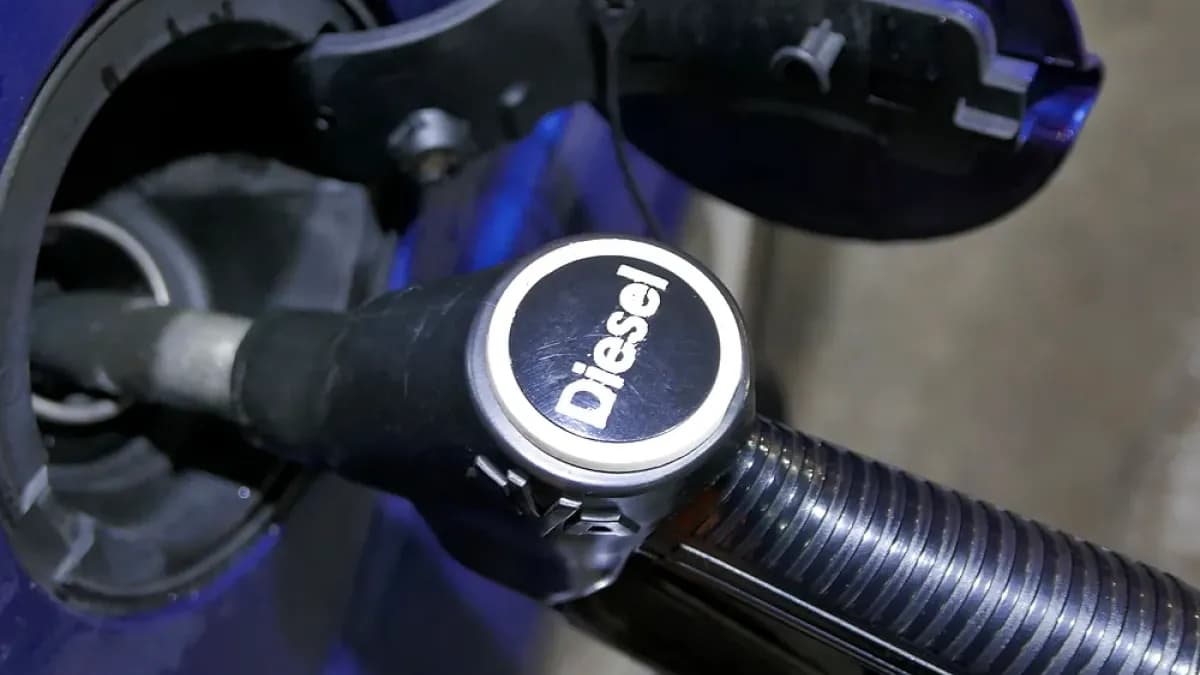
The annual inflation rate in the Eurozone increased by two-tenths of a percentage point to 4% in October, driven by rising energy prices, according to Eurostat's initial estimate. This marks the highest level since September 2023, raising expectations for a potential interest rate hike by the European Central Bank in December.
Overview of Inflation Increase
In October, the Eurozone experienced a rise in its annual inflation rate to 4%, up two-tenths of a percentage point from September. This increase has been attributed primarily to a significant rise in energy costs, as reported by Eurostat on Wednesday.
Breakdown of Price Increases
All categories of goods showed accelerated price growth in October:
- Energy: Up 20.8% year-on-year, compared to 18.9% in September.
- Services: Increased to 3.3%, up from 3.2% the previous month.
- Food, Alcohol, and Tobacco: Rose to 1.6%, from 1.3% in September.
- Non-Energy Industrial Goods: Grew to 1.2%, up from 1.1%.
Subsequently, the core inflation rate, which excludes volatile items like energy and fresh food, remained stable at 2.5%. This figure is crucial for the European Central Bank (ECB) in its policy decisions.
Disparities Among Major Eurozone Economies
Inflation trends varied significantly across major Eurozone economies in October:
- Germany: Decreased to 2.8%, aided by government measures to lower fuel prices.
- Spain: Fell to 4.9%, also due to energy price stabilization.
- Italy: Saw an increase of 1.2 points to 5.6%.
- France: Rose by four-tenths to 3.8%.

Countries with the highest inflation included Lithuania (6.1%), Bulgaria (6.0%), and Italy and Greece (5.6%). Meanwhile, the lowest rates were in Slovakia (2.9%), Germany (2.8%), and Malta (2.3%). All countries exceeded the ECB's target inflation rate of 2%.
Expectations for ECB Policy
Analysts are suggesting that these inflation figures strengthen the case for the ECB to raise interest rates at its upcoming December meeting, where the current rate stands at 2.5%. Nicola Nobile from Oxford Economics stated that the ongoing price increases, particularly in energy and food, while core inflation remains stable, make a strong argument for a rate hike. Carsten Brzeski from ING echoed this sentiment but noted that weak core inflation may limit the overall economic impact of rising energy prices, suggesting caution regarding overly aggressive rate increases.
This article is for information only and is not investment advice.