
Eurozone Inflation Rises to 4% in October Driven by Energy Costs
Written with artificial intelligence.
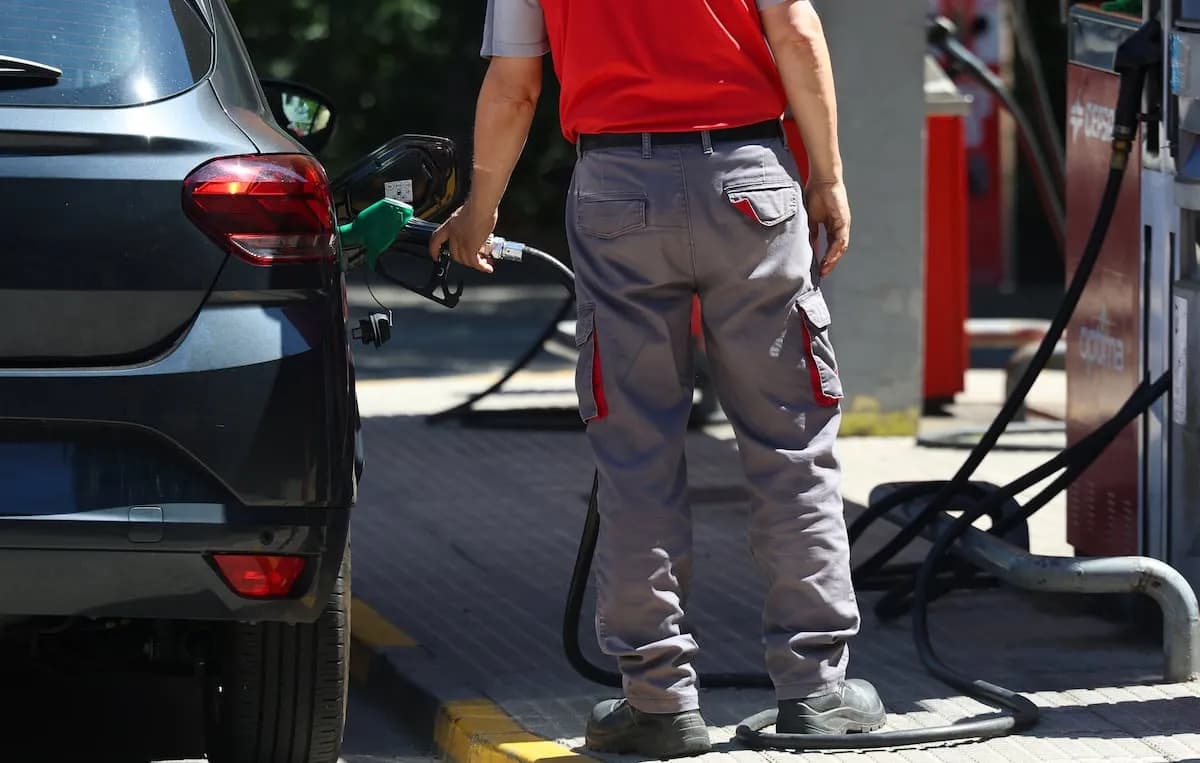
Inflation in the Eurozone reached 4% in October, a two-tenths increase from September, primarily fueled by a 20.8% rise in energy prices. The underlying inflation rate remained stable at 2.2%.
Inflation Overview
In October, inflation in the Eurozone increased to 4%, according to Eurostat's report released this Wednesday. This marks the highest inflation rate in three years, up from 3.8% in September. The primary driver of this rise was a significant 20.8% year-on-year increase in energy prices, which was nearly two percentage points higher than the previous month's increase of 18.9%.
Contributions to Inflation
Other contributors to the overall inflation rate included:
- Services: Inflation rose by one-tenth to 3.3%.
- Food, Alcohol, and Tobacco: These categories saw an increase of three-tenths to 1.6%.
- Non-Energy Industrial Goods: Prices increased by one-tenth to 1.2%.
Despite the overall increase in inflation, the underlying or core inflation, which excludes volatile items like energy and unprocessed foods, remained stable at 2.2%, the same as September. However, when excluding only energy, the inflation figure rose to 2.3%, indicating slight upward pressure in other consumption components, particularly in services.

Inflation Rates Across Eurozone Countries
Among the major economies using the euro, Belgium reported the highest inflation rate in October at 5.2%, followed closely by Spain and Luxembourg at 4.9%. Other countries reported varying rates:
- Ireland: 4%
- France: 3.8%
- Italy: 5.6%
- Germany: 2.8%
Conversely, Malta (2.3%), Slovakia (2.9%), and Germany (2.8%) recorded the lowest inflation rates. The data highlights that inflationary pressures vary significantly across the Eurozone, although rising energy costs continue to be a common factor influencing the overall increase observed in October.
This article is for information only and is not investment advice.