
China Responds to US AI Chip Restrictions with Potential Retaliation
Written with artificial intelligence.
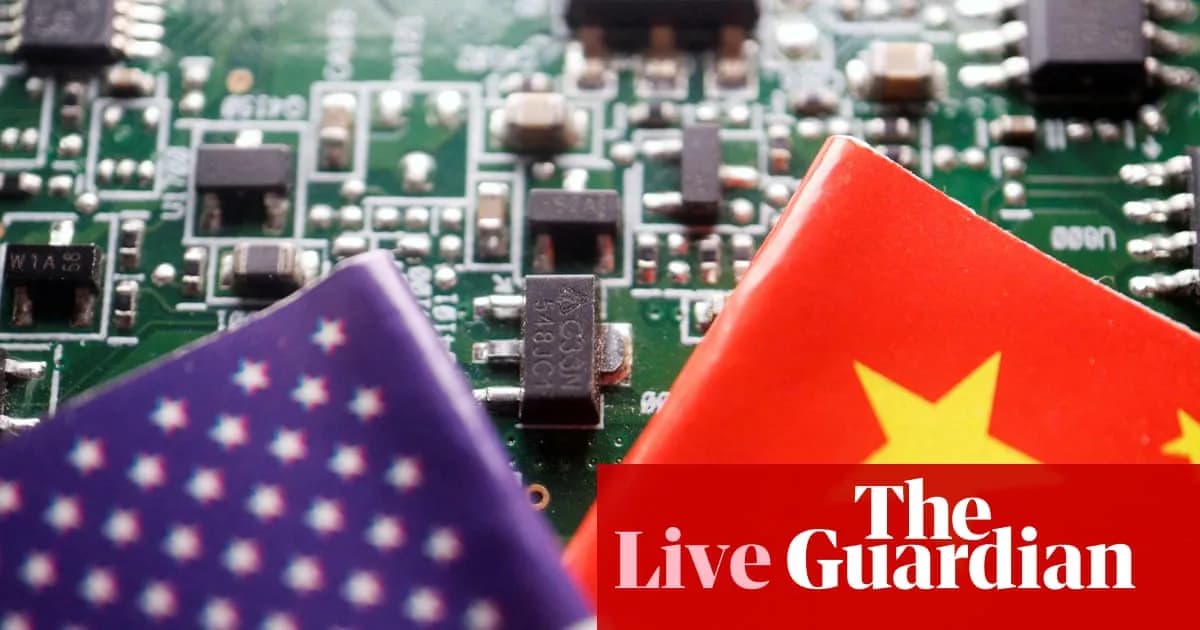
China's foreign ministry has threatened to take necessary measures against the US following tighter restrictions on access to AI chips. The US has closed a loophole that allowed Chinese companies to access Nvidia technology, prompting Beijing to assert its commitment to protect its interests.
China’s Threat of Retaliation
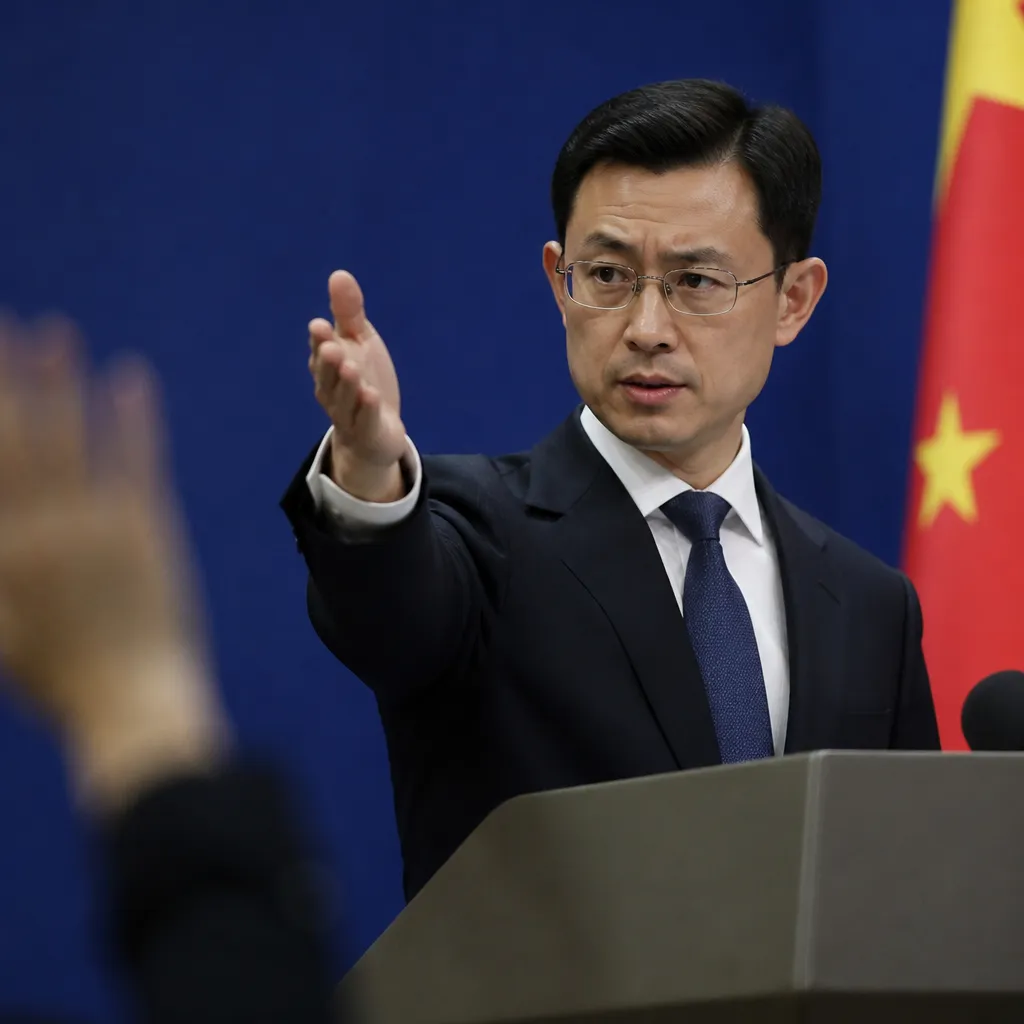
In a recent press conference, Guo Jiakun, spokesperson for China’s foreign ministry, expressed strong discontent with the US's tightened restrictions on AI chips and servers. Guo indicated that China would take necessary measures to protect its interests, accusing the US of overstepping in the name of national security and abusing export controls. This move has raised concerns about the implications for China's high-tech industries.
Nvidia's CEO Controversy
In related news, Jensen Huang, who was recently ousted as CEO of Nvidia amid allegations involving a personal scandal, has expressed a desire to return to his position. Huang acknowledged having made serious mistakes and emphasized the support he has received from employees and investors to lead the company again. He stated his commitment to cooperating with the Board's independent investigation and is awaiting their decision regarding his reinstatement.
Market Reactions
As investors await Nvidia's financial results, stock markets have seen declines, notably the tech-focused Nasdaq, which fell by 1.6%. The FTSE 100 in London experienced its largest one-day drop since March, decreasing by 1.76%. Investors are particularly interested in whether Nvidia will maintain its financial guidance following the recent turmoil surrounding its leadership.
Ongoing Investigations
The US Department of Justice and the Department of Commerce have confirmed an investigation into Megaspeed, a Singapore-based firm, for allegedly violating export controls by facilitating the shipment of Nvidia chips to China. This follows the US's steps to close a loophole that previously enabled Chinese firms to access Nvidia-powered data centers in third-party countries. The situation continues to evolve, with geopolitical dynamics at play for both nations.