
US Tightens Restrictions on AI Chips Access for China Following Nvidia Scandal
Written with artificial intelligence.
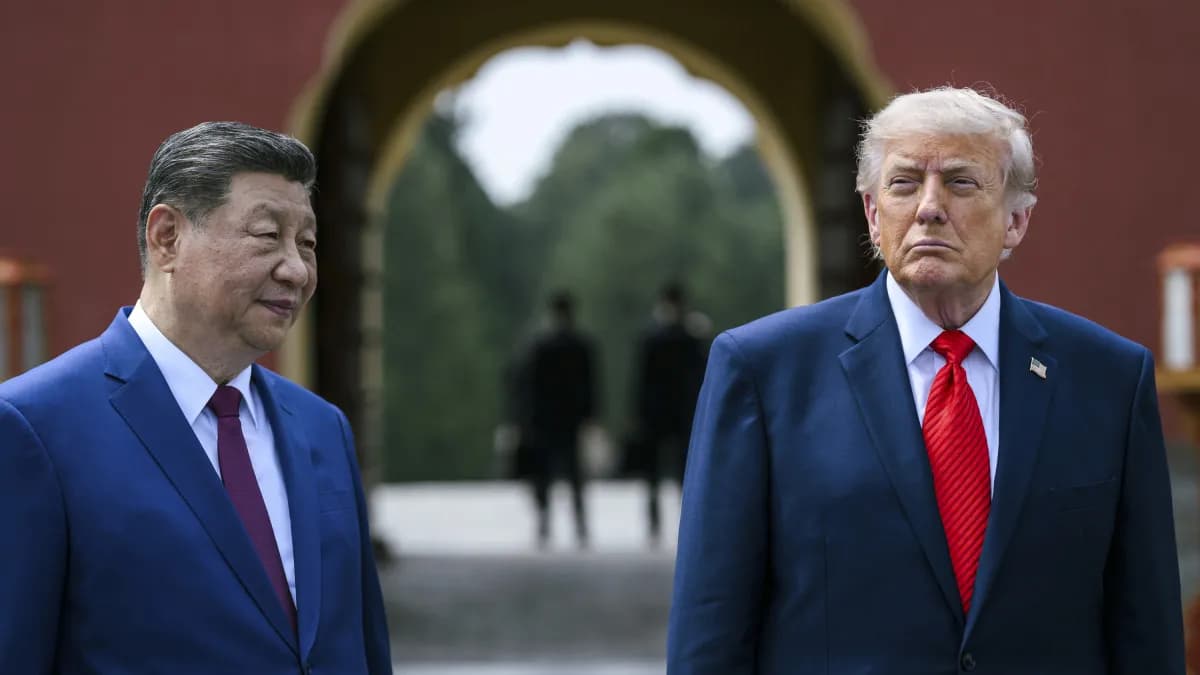
In a significant move just ahead of a meeting between US President Donald Trump and Chinese President Xi Jinping, the US Department of Commerce has imposed new restrictions preventing countries like China from accessing American-made AI chips. The regulations aim to block remote access through data centers in Southeast Asia and limit exports to nations at high risk of smuggling.
New Restrictions on AI Chips
The US Department of Commerce has announced new regulations that prohibit countries with existing restrictions from accessing advanced AI chips through data centers located in third-party nations. This move comes shortly before a meeting between US President Donald Trump and Chinese President Xi Jinping in Shenzhen, China.
The provisional rule, published by the Bureau of Industry and Security (BIS), effectively blocks countries such as China, Russia, and Iran from circumventing restrictions by utilizing cloud services in Southeast Asia. The new regulations will take effect in 90 days and include export limitations for US companies, like Nvidia, to countries deemed high-risk for smuggling, which includes Indonesia, Malaysia, Thailand, Brazil, and Singapore.
This decision follows the recent scandal involving Nvidia, which led to the resignation of CEO Jensen Huang amid allegations of infidelity and espionage. Notably, the company Megaspeed, linked to a Chinese national allegedly involved in the espionage case, is under scrutiny for potentially acquiring advanced chips for smuggling into China.
The timing of these regulations aligns with ongoing tensions between the US and China as both nations compete for dominance in AI technology. The upcoming summit at the Asia-Pacific Economic Cooperation (APEC) forum promises to be a critical point in this ongoing rivalry.

In addition, the fallout from the Nvidia situation has raised questions about the future of key figures in Trump's administration, including Commerce Secretary Howard Lutnick, who previously advocated for easing restrictions on chip sales to China.
This article is for information only and is not investment advice.