
US Job Growth Surpasses Expectations Amid Economic Challenges
Written with artificial intelligence.
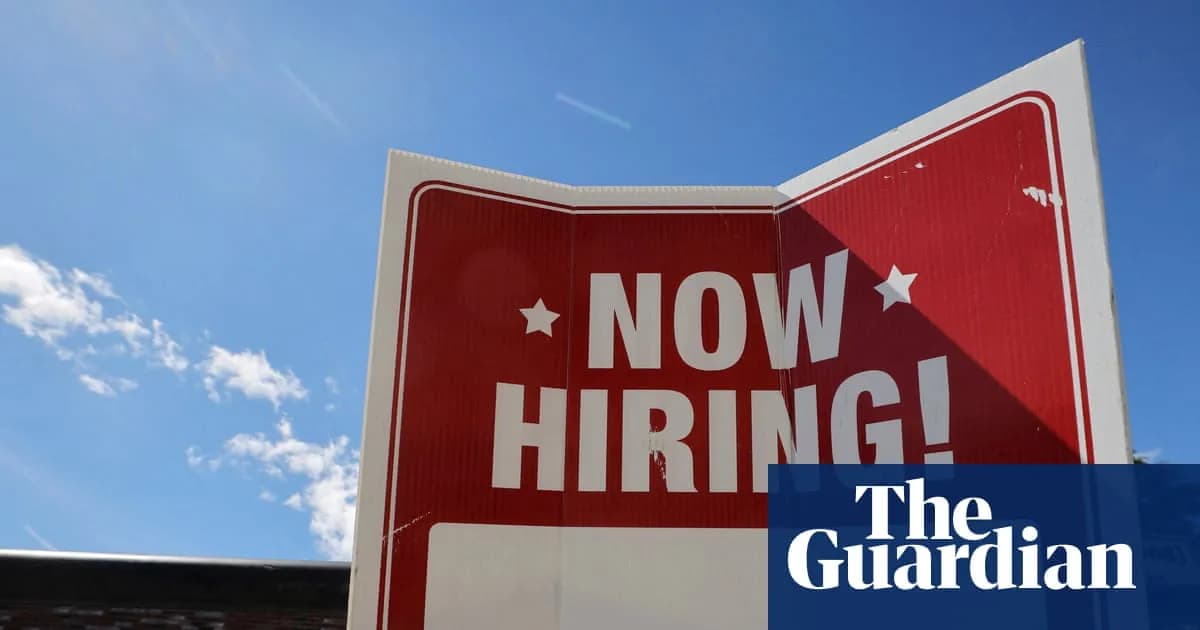
The US economy added 165,000 jobs in October, indicating resilience in the labor market despite ongoing global uncertainties, including the war in the Middle East. The unemployment rate decreased slightly to 4.1%, while average hourly earnings rose at an annual rate of 3.1%.
Job Growth in October
In October, the US economy added 165,000 jobs, which exceeded economists' expectations and reflects a degree of resilience in the labor market. This growth occurs against a backdrop of persistent inflation and geopolitical tensions, particularly the ongoing war in the Middle East. The Bureau of Labor Statistics (BLS) reported a slight decrease in the unemployment rate to 4.1%.
Wage Growth and Inflation
Average hourly earnings increased by 3.1% on an annual basis, slightly up from the previous month. However, inflation has been outpacing wage growth, contributing to a perception among consumers that their purchasing power is shrinking. As of September, the annual inflation rate was reported at 3.7%.
Layoffs and Economic Stability
Revisions of previous months' data revealed an increase of 84,000 jobs for August and September combined. Sectors such as healthcare, transportation, warehousing, and manufacturing showed job growth. Notably, layoffs dropped significantly, with only about 44,000 recorded in October, a 71% decrease compared to the same month last year, according to Challenger, Gray & Christmas.

Economic Outlook and Federal Reserve Actions
The current situation follows a midterm election that solidified Democratic control of Congress, reflecting public concerns over economic challenges, such as rising gas and grocery prices. Gas prices have increased by an average of $1 per gallon year-over-year, attributed in part to the Iran conflict. The Federal Reserve is expected to consider another interest rate hike in December to combat inflation, following a rate increase in September that brought rates to a range of 3.75%-4%.
Market Reaction
Recently, market volatility has been influenced by concerns regarding artificial intelligence spending, leading to fluctuations in the tech-heavy Nasdaq index, which briefly recovered before falling back into correction territory.