
UK Inflation Rises to 3.6% Amid High Fuel Prices
Written with artificial intelligence.
UK inflation increased to 3.6% in October, primarily due to rising petrol and diesel costs. However, food price inflation has slowed, marking the lowest rate in nearly five years as certain commodity prices, like chocolate, decreased.
UK Inflation Figures
In October, the UK experienced a slight increase in inflation, reaching an annual rate of 3.6%. This rise aligns with economists' forecasts and follows a rate of 3.5% in September. The Office for National Statistics (ONS) reported that the main contributor to this inflation was transport costs, particularly motor fuels.
Rising Fuel Prices
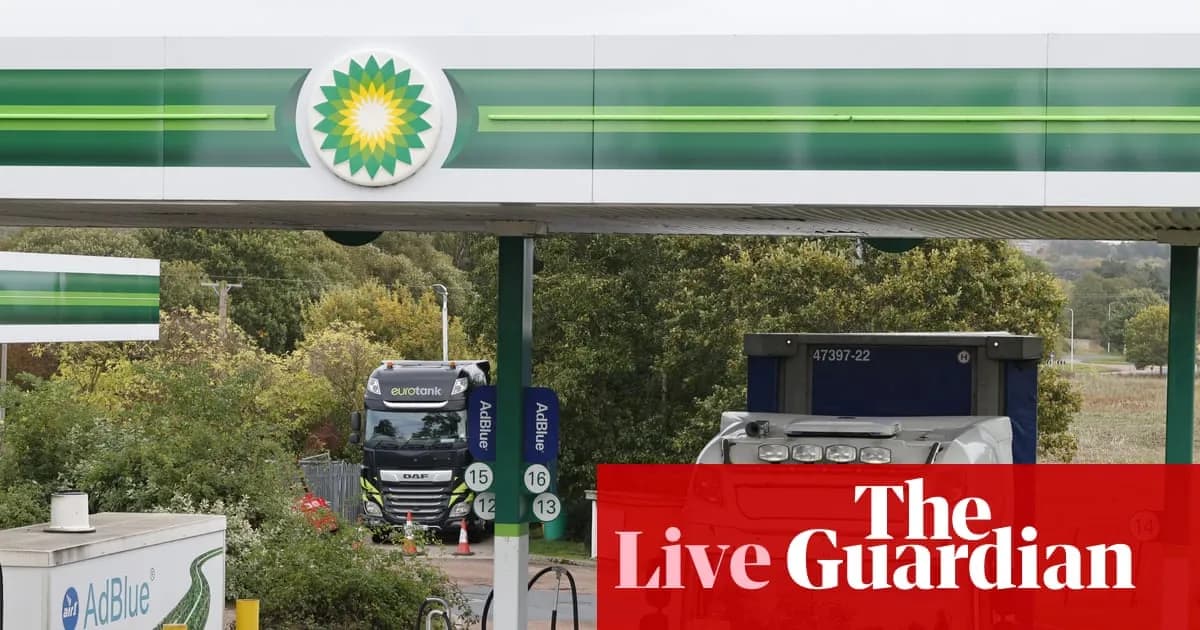
Transport prices surged by 7.5% year on year, up from 6.6% in September. The average price of petrol increased by 5.2 pence per litre to 174.7 pence, while diesel prices reached a record high of 199.5 pence per litre, marking the most significant increase since records began in 1996. Both petrol and diesel prices rose more sharply than in the same timeframe last year.
Food Prices Decline
On a positive note for consumers, food prices rose at their slowest rate since September 2021, increasing by only 0.9% compared to 1.3% in September. Notably, chocolate prices fell by 2.9%, contrasting with a previous rise of 0.4% in the same month last year. The decline in chocolate prices can be attributed to improved conditions for cocoa farmers, following a crisis that had previously driven prices up.

Broader Economic Context
Factory gate prices, indicating the cost of goods at the factory level, also saw an uptick, rising by an annual rate of 5.1% in October. This increase was noted alongside significant developments in the tech sector, particularly with Nvidia, which reported a substantial revenue increase despite recent leadership changes.
The current inflationary pressures are expected to persist, partly due to ongoing energy price fluctuations influenced by international events. The Monetary Policy Committee (MPC) is focused on ensuring that inflation returns to its target of 2%.
This article is for information only and is not investment advice.