
UK Inflation Rises to 3.5% Amid Increased Government Deficit
Written with artificial intelligence.
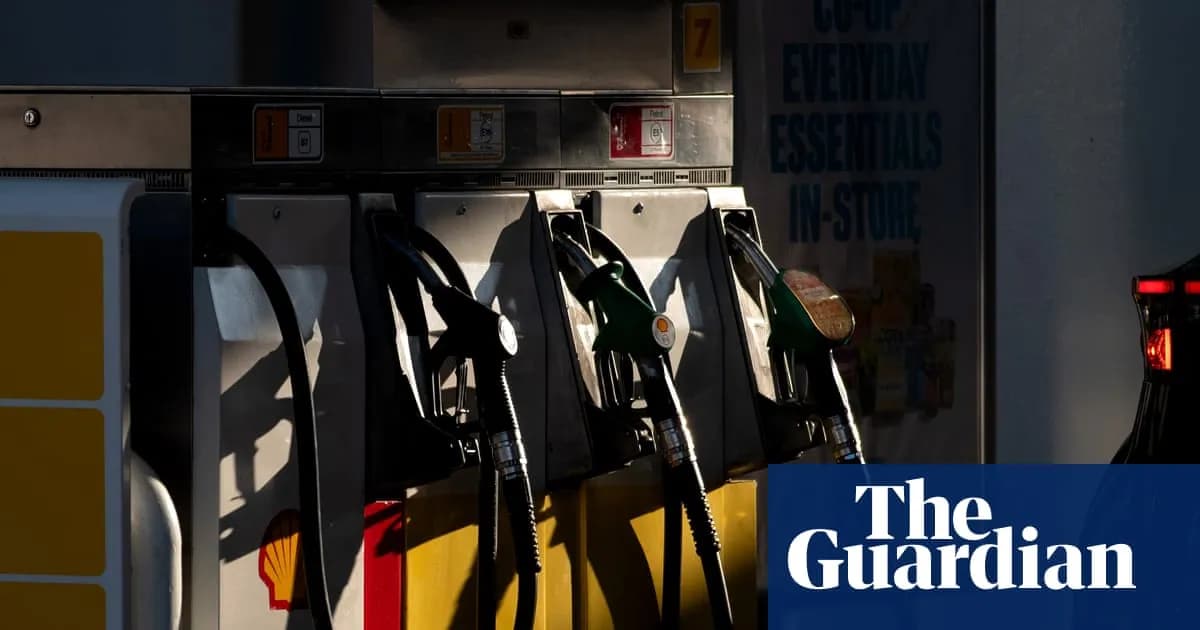
UK inflation has climbed to 3.5% in September, surpassing expectations, while the government deficit reached £24.5 billion. The surge in fuel prices, driven by geopolitical tensions, is a primary factor behind these developments.
Inflation and Government Deficit
In September, inflation in the UK rose to 3.5%, up from 3.1% in August, exceeding forecasts of a 3.4% increase in the consumer prices index (CPI). This rise in inflation coincided with a significant government deficit, which hit £24.5 billion, marking a challenging financial landscape for Chancellor John Healey ahead of the upcoming budget.
The increase in inflation is largely attributed to higher fuel costs, particularly oil and gas prices, which have surged due to ongoing conflicts in the Middle East. The Office for National Statistics (ONS) reported that the average price of petrol rose by 8.2 pence per litre compared to the previous month, while diesel saw an increase of 10.7 pence per litre.
Impact on Government Finances
The government’s interest payments on debt also reached a record high for September, totaling £10.9 billion—the highest since records began. Notably, rising inflation added £4 billion to these debt interest costs. The total government debt is now estimated to exceed £3 trillion, although it represents a smaller percentage of the economy compared to last year.
This situation is exerting additional pressure on public finances, with public sector net borrowing for the financial year to date at £97.8 billion. This figure is £4.4 billion lower than the previous year but exceeds expectations by £6 billion.
Future Implications
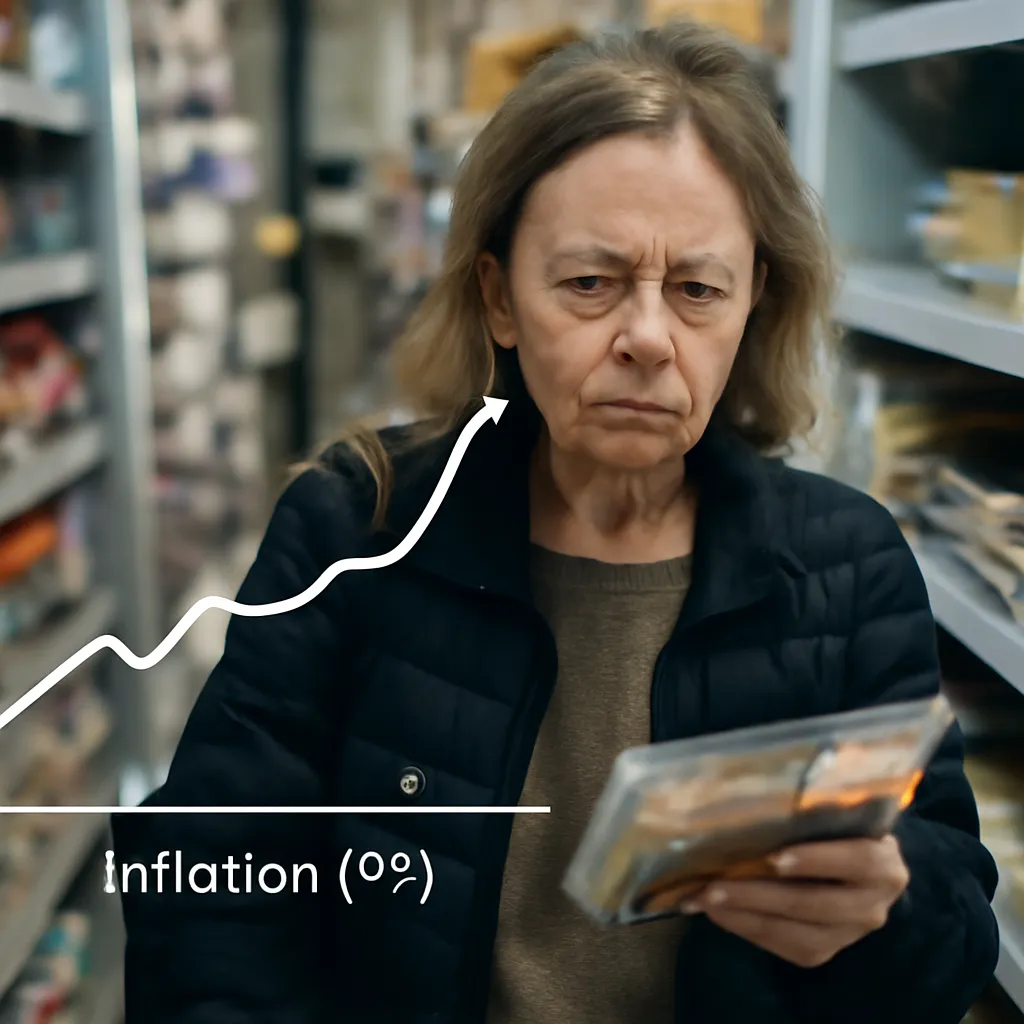
As inflation continues to rise, the Bank of England is likely to consider increasing interest rates from the current 3.7% level in its November meeting. Economists warn that if the inflation trend persists, it could exceed 4% in the coming months, driven by higher costs in a range of goods, including food and energy.
Chancellor Healey has indicated that the inflation surge is linked to global conflicts impacting the economy. He aims to address these challenges in the forthcoming budget, emphasizing the need to drive growth across the country. The ONS noted that while fuel prices are contributing to inflation, some categories, like clothing, have seen stable or declining prices.
This article is for information only and is not investment advice.