
UK Car Industry Seeks Two-Year Delay on Brexit EV Tariffs
Written with artificial intelligence.
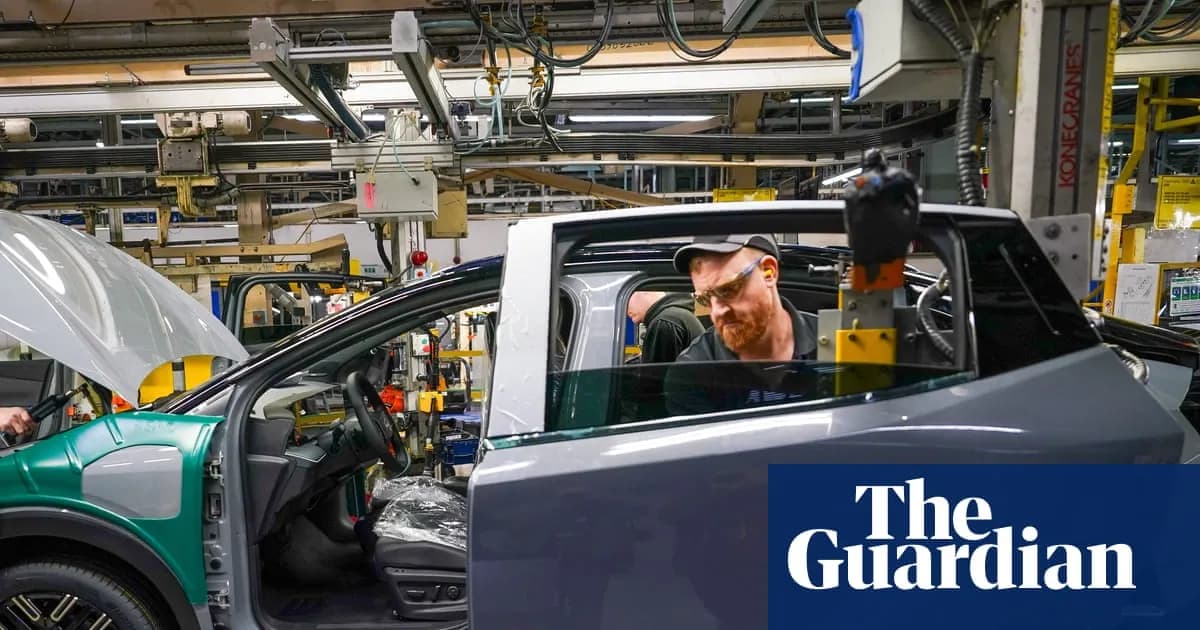
The UK car sector is advocating for a two-year postponement of Brexit tariffs on electric vehicles (EVs) that are set to take effect on January 1. These tariffs are tied to 'rules of origin' for vehicle batteries, which require local sourcing to avoid 10% tariffs on EVs traded with the EU.
Push for Delay in EV Tariffs
The UK automotive industry is gearing up to request a two-year delay to the implementation of Brexit tariffs on electric vehicles (EVs) traded with the EU. The current rules, which are set to take effect on January 1, will impose tariffs unless an agreement is reached to delay the 'rules of origin' concerning battery production.
These 'rules of origin' require that batteries used in electric vehicles be manufactured in the UK or EU from local materials. If not complied with, vehicles could incur a 10% tariff, a situation that would not have arisen had the UK remained within the EU. Originally scheduled for introduction in 2024, these rules were extended in December 2023, but the industry now believes more time is necessary for local battery production to ramp up.
Currently, the UK and European car manufacturers depend heavily on imports from countries like China, Japan, and South Korea due to insufficient local production capacity. While the European Commission has proposed a one-year delay, many in the UK industry argue that a two-year postponement is essential to avoid facing the same issues next year. They emphasize the need for battery gigafactories to reach the necessary production levels.
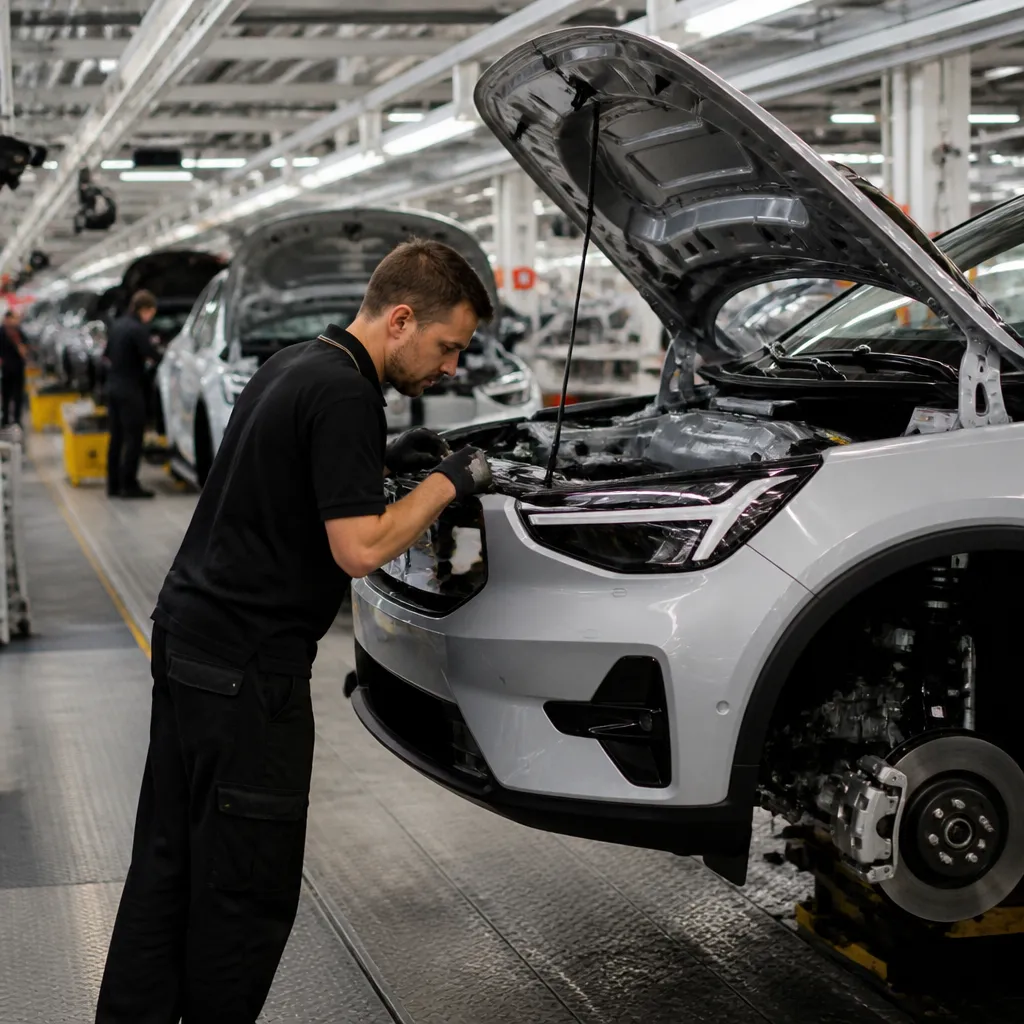
Mike Hawes, CEO of the Society of Motor Manufacturers and Traders (SMMT), stressed the urgency of finding workable solutions to these challenges. He highlighted that failing to address the tariffs would severely impact both the UK's and Europe's intertwined automotive sectors. The negotiations are set to be part of an upcoming EU-UK summit, where additional issues, including subsidies and tariff alignment on Chinese imports, will also be discussed.
This article is for information only and is not investment advice.