
EU and China Reach Landmark Deal to Cut Hybrid Car Exports
Written with artificial intelligence.
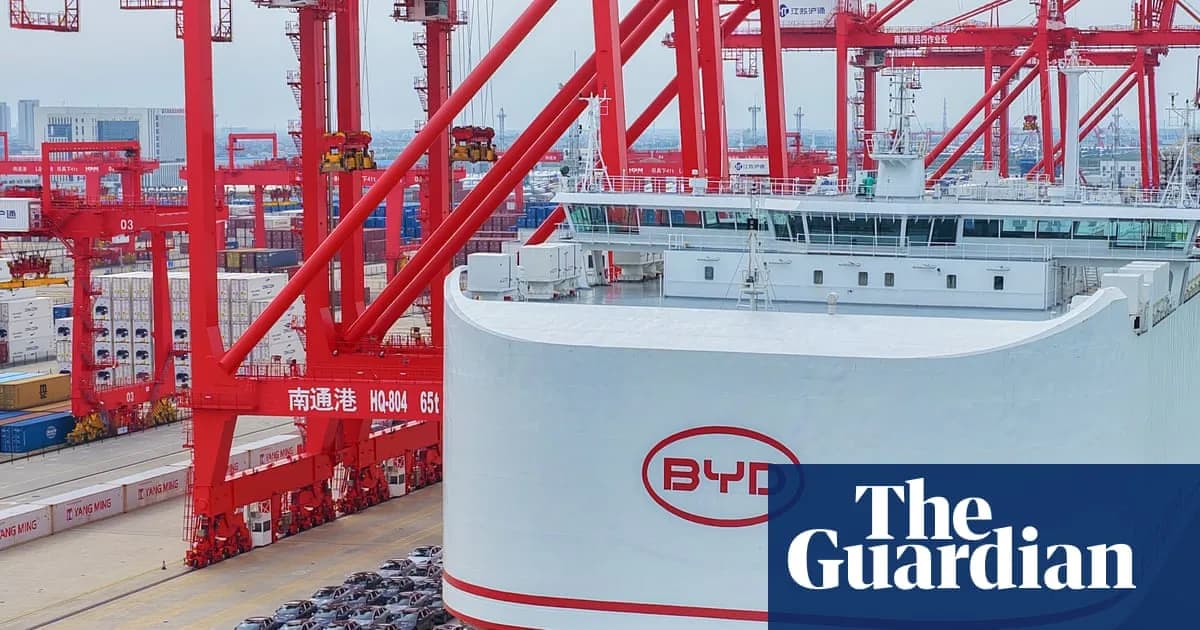
The European Union has secured an agreement with China to significantly reduce hybrid car exports to the EU, with shipments expected to fall by over half over the next four years. This deal aims to protect European jobs amid concerns about the impact of Chinese imports on the local automotive industry.
Overview of the Agreement
The European Union (EU) has announced a historic deal with China to reduce hybrid car exports to the EU by more than half over the next four years. The agreement comes amid rising concerns that the influx of Chinese cars could jeopardize jobs in the European automotive sector.
Trade Commissioner Maroš Šefčovič described this agreement as a groundbreaking development, resulting from intense negotiations that began in June. The deal aims to address a substantial trade deficit of €1.18 billion (£1 billion) daily, which has heightened tensions between the two economic powers.
Details of the Deal
Šefčovič stated that the deal will lead to a decrease in the export of plug-in and battery-powered hybrid cars by several million units. This is the first instance where China has agreed to limit exports without the typical preconditions of trade tensions or investigations that are usually required under World Trade Organization (WTO) rules.
The agreement has been motivated by the growing political pressure within EU member states, as thousands of jobs are at risk due to the surge of affordable imports from China across various sectors, including automotive, chemicals, and textiles.
Next Steps
The current agreement is viewed as merely the first step in a broader effort. Šefčovič emphasized the need for continuing negotiations on several issues, including export restrictions on rare earths and increased access for EU food and drink products in China. Both sides have expressed a commitment to follow WTO regulations while managing their trade differences.
In conjunction with this deal, China has agreed to work on pricing strategies to control hybrid car sales, potentially introducing higher minimum prices for cars sold in Europe. EU diplomats are set to discuss the details of this agreement before an upcoming leaders’ summit, indicating that further developments may be on the horizon.
This article is for information only and is not investment advice.