
Impact of Tariffs on Everyday Goods Inflation Revealed by NY Fed
Written with artificial intelligence.
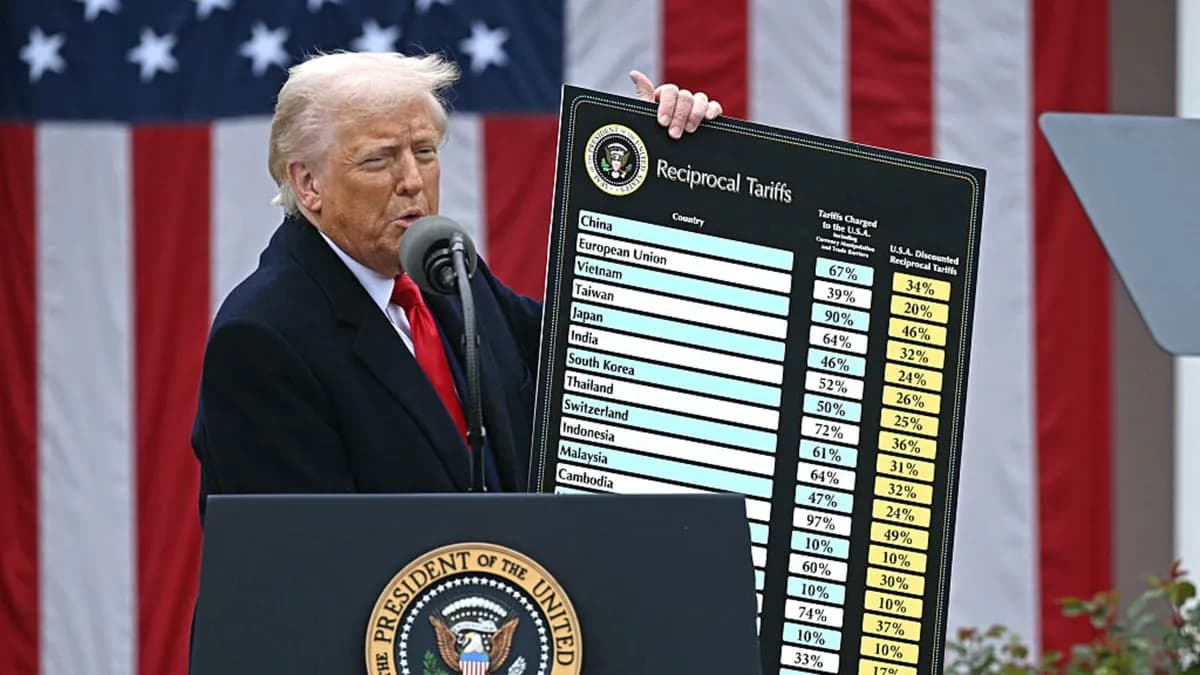
A report from the New York Federal Reserve indicates that tariffs imposed during Donald Trump's presidency raised inflation by 2.9 percentage points across 67 categories of goods as of February 2026. The study suggests that without these tariffs, prices for these goods would have decreased by nearly 1%.
Tariffs and Their Impact on Prices
According to research from the New York Federal Reserve, many everyday items experienced price increases due to tariffs implemented under former President Donald Trump. The report highlights that as of February 2026, tariffs contributed an additional 2.9 percentage points to inflation across 67 different categories of consumer goods.
The study found that, without these tariffs, the prices for these goods would have likely declined by almost 1%. The researchers explained that the influence of tariffs is not just direct; they also have a prolonged impact on consumer prices. For instance, the analysis indicates that for every percentage point increase in average tariffs, consumer prices rise by approximately 0.25% within a year.
Long-Term Effects on Consumers
The report identified that roughly two-thirds of the price increases can be attributed directly to the tariffs themselves, while the remaining increase is due to secondary effects, such as U.S. companies relying on imported components. The findings suggest that consumers will continue to face elevated prices into 2027 as a result of these policies.

In contrast, the Trump administration had argued that the burden of tariffs would primarily fall on foreign exporters rather than American consumers. However, the report concluded that about 26% of the tariff increases were indeed passed down to shoppers.
Following a Supreme Court ruling in February that struck down many of these tariffs, the White House has indicated intentions to maintain some level of tariffs through alternative means. Currently, many imported products still face tariffs around 10%, which is lower than the rates previously enforced.
This article is for information only and is not investment advice.