
Global Oil Supply Surplus Reported for First Time Since Iran Conflict Began
Written with artificial intelligence.
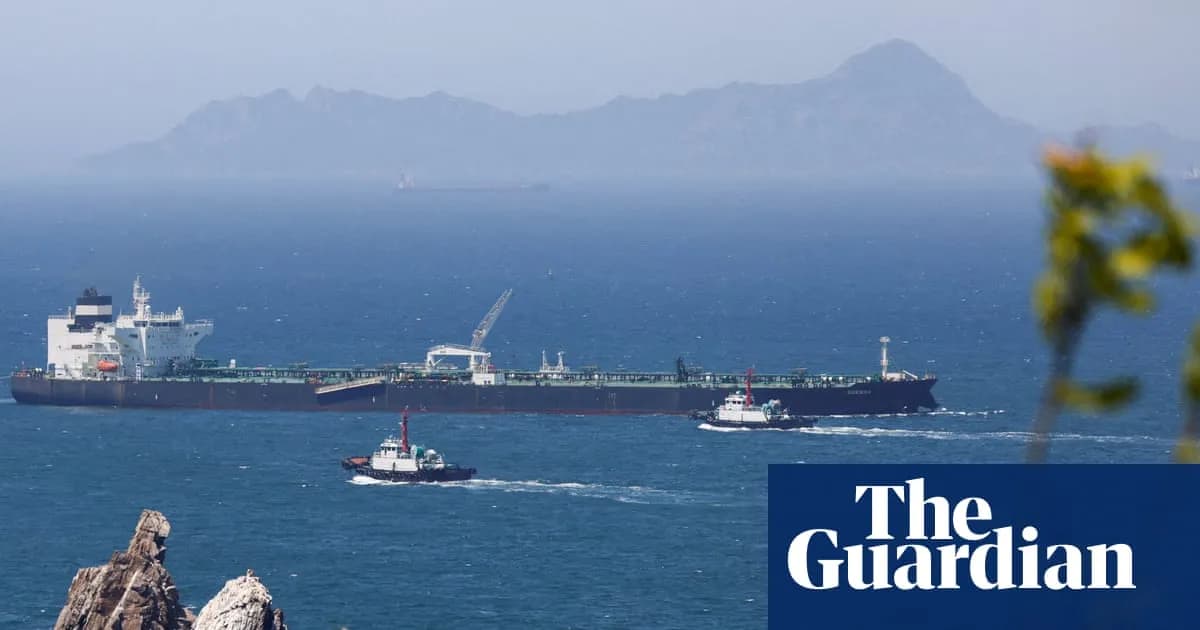
The International Energy Agency (IEA) has reported that global oil supply exceeded demand by nearly 2 million barrels per day in October, marking the first surplus since the onset of the US-Israeli war with Iran. This shift follows recovery in Gulf exports and indicates potential market rebalancing.
IEA Reports Surplus Oil Supply
According to the International Energy Agency (IEA), global oil supply surpassed demand by almost 2 million barrels a day in October, which is significant as it is the first surplus since the beginning of the US-Israeli war against Iran. The IEA noted that exports from Gulf countries have rebounded more quickly than expected, contributing to this change.
The ongoing conflict in the Middle East had previously caused disruptions in oil shipments, particularly through the Strait of Hormuz, a critical passage for a substantial portion of the world’s oil and gas supply. This situation had led to increased energy prices, with Brent crude rising from approximately $72 a barrel in February to as high as $126 by the end of April. However, prices have recently dropped to $89.66, following statements suggesting that the conflict may be winding down.
Despite the surplus, concerns remain about ongoing attacks on oil tankers in the region and the potential for further military actions by the US. The IEA projects that global oil supply will average 105 million barrels per day in the last quarter of the year, exceeding forecast demand by 1.7 million barrels per day. This is a shift from prior expectations of a supply deficit.

Additionally, the IEA plans to expedite the release of emergency oil stockpiles, adding 71 million barrels back to the market by the end of February. The Opec+ oil cartel reported an increase in production to 41 million barrels per day in October, returning to nearly prewar levels. Global oil demand is anticipated to decline by 2.68 million barrels per day this year, with consumption expected to recover next year, though it may remain below 2025 levels due to factors like high prices and the rise of electric vehicles.
This article is for information only and is not investment advice.