
Global Energy Reserves Decrease Amid Middle East Tensions
Written with artificial intelligence.
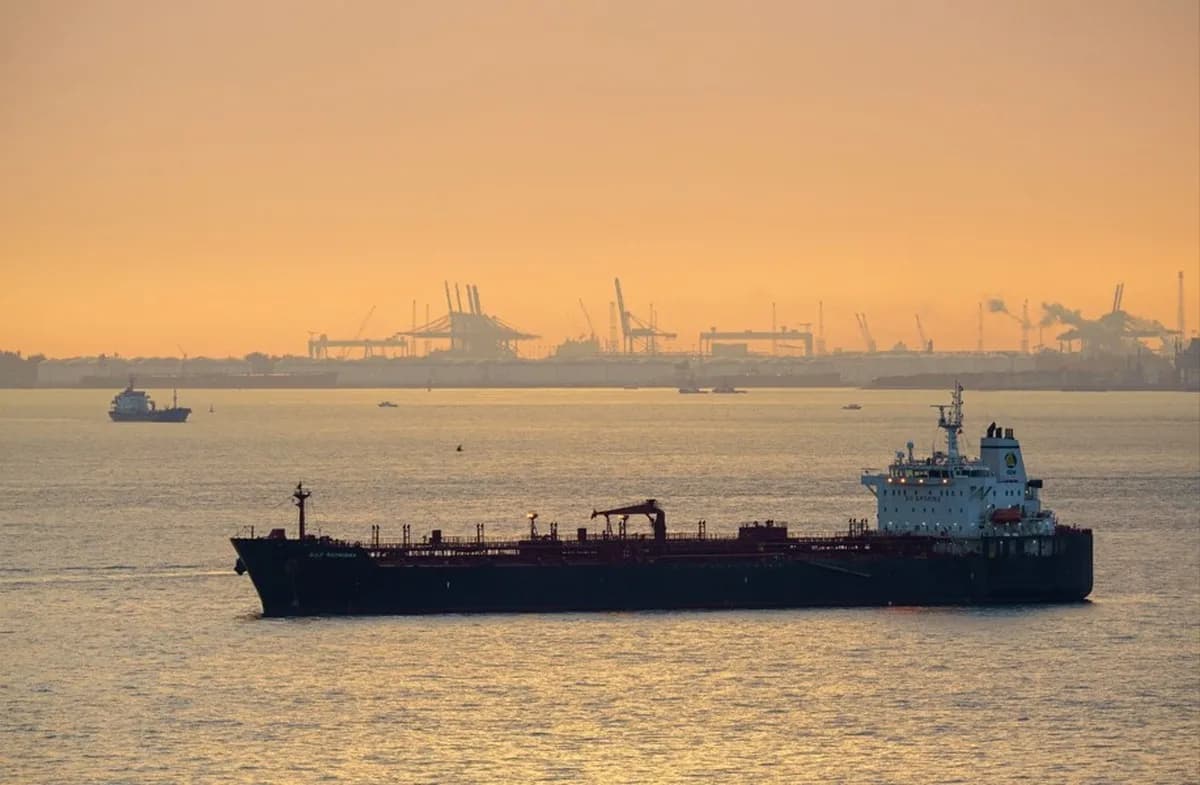
Global energy reserves have diminished significantly, with nearly 1 billion barrels of oil consumed since the U.S. and Israel's conflict with Iran disrupted shipping through the Strait of Hormuz, according to Sultan Al Jaber, CEO of Abu Dhabi's Adnoc. Diesel stocks are at a 35-year low for this time of year, leading to historic price increases and inflation concerns.
Global Oil Supply Challenges
The ongoing conflict involving the United States, Israel, and Iran has led to a substantial reduction in global energy reserves, with almost 1 billion barrels of oil drawn from stocks. Sultan Al Jaber, the CEO of the Abu Dhabi National Oil Company (Adnoc), made these remarks during the Adipec conference in the United Arab Emirates on November 2.
Diesel and LNG Shortages
Al Jaber noted that diesel inventories in several regions are currently at their lowest levels for this time of year in 35 years. Additionally, some areas are facing a shortfall of liquefied natural gas (LNG) by approximately 600 billion cubic feet. These supply issues have caused diesel prices to surge to historic highs, raising inflation and cost-of-living concerns for both governments and consumers.
Strategic Infrastructure Needs
To mitigate these challenges, Al Jaber emphasized the need to enhance strategic storage capacity and increase refined product stocks. He stated, "Infrastructure must be built before it is needed and should be supported by advanced logistics."
Rising Transportation Costs
According to Al Jaber, shipping and logistics now account for 30% of the cost of a barrel of oil, up from just 5% prior to the conflict. Meanwhile, Brent crude, the international oil benchmark, is trading around $110 per barrel, reflecting a nearly 50% increase since February, just before the hostilities began.
International Response
In response to these supply pressures, the International Energy Agency (IEA) has agreed to release over 20 million barrels of diesel into the market, supplementing the emergency reserves released in March to help stabilize prices. Amin Nasser, CEO of Saudi Aramco, also reported that fewer than 6 billion barrels remain in commercial stocks, with most of this volume effectively unavailable for use.
This article is for information only and is not investment advice.