
Eurozone Inflation Rises, Increasing Pressure on ECB for Rate Hikes
Written with artificial intelligence.
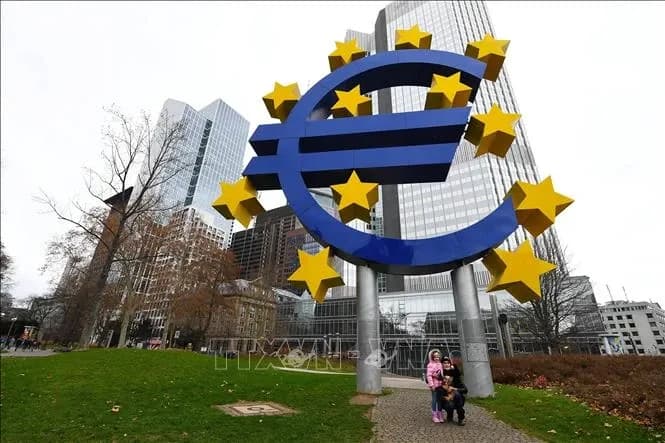
Inflation rates in the Eurozone are climbing, with France's inflation reaching 3.4% and Italy's at 4.1% in September 2026, both exceeding the ECB's target of 2%. In response to rising energy prices, the European Central Bank (ECB) may consider further interest rate increases following two hikes earlier this year.
Rising Inflation in the Eurozone
Recent data indicates a significant increase in inflation across several Eurozone countries. In September 2026, France's inflation rose to 3.4%, up from 2.6% in August, while Italy reported an inflation rate of 4.1%, a jump from 3.2%.
In Germany, inflation accelerated to its fastest rate in nearly three years, reaching 3.3% year-on-year, influenced by surging energy costs. This figure surpassed analysts' expectations of 3.2%. Spain also saw its inflation rate climb to 5% in September, compared to 4.6% the previous month.
ECB's Response and Future Projections
The European Central Bank (ECB) has raised interest rates twice this year to combat rising inflation. However, market speculation suggests the possibility of four additional rate hikes in the next 12 months due to the ongoing energy price crisis.
Mariana Monteiro, an expert from JP Morgan, noted that energy inflation has exceeded expectations across the board, with food inflation also rising, albeit to a lesser extent. The ECB had anticipated inflation would peak at around 3.6% for the last quarter of 2026, but economists now predict it could reach approximately 4% due to soaring energy costs.

Impact of Global Factors
Rory Fennessy, a senior economist at Oxford Economics, indicated that energy prices are unlikely to decrease soon, especially with persistent tensions in the Middle East. Additionally, the recent strengthening of the US dollar is expected to further inflate prices in Europe, as essential commodities are priced in dollars, making them more expensive when converted to local currencies.
Christine Lagarde, the ECB President, remarked that, given the current inflationary trends have not yet produced adverse second-round effects in the Eurozone, a moderate policy response from the ECB remains appropriate.