
Eurozone Inflation at 3.8% Amidst Energy Price Surge, ECB Member Optimistic
Written with artificial intelligence.
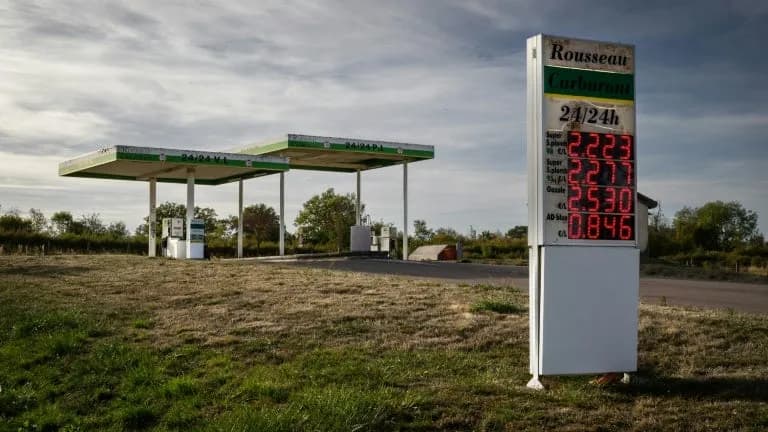
Inflation in the Eurozone reached 3.8% in September, driven primarily by soaring energy prices. Alvaro Santos Pereira, a member of the European Central Bank (ECB), expressed optimism that this inflation is not affecting broader price levels in the economy.
Overview of Current Inflation Trends
The Eurozone experienced an inflation rate of 3.8% in September, exceeding analysts' expectations of 3.6%. This increase is largely attributed to uncontrolled spikes in energy prices, particularly at the fuel pump.
ECB's Perspective
Alvaro Santos Pereira, the governor of the Bank of Portugal and a member of the ECB's governing council, noted that the rapid increase in energy costs has not yet spread to other sectors of the economy. He described this situation as a positive sign for the ECB, indicating that inflation is still confined to energy prices.
Core Inflation Metrics
During discussions at the annual meetings of the IMF and World Bank in Thailand, Pereira highlighted the core inflation index, which excludes volatile items such as food, energy, alcohol, and tobacco. This index recorded a lower rate of 2.5% in September, suggesting more stable price conditions when these items are set aside.

Regional Impact
France is also feeling the effects of rising prices, reporting an annual inflation rate of 3.1% in September. Notably, prices for certain foods, like tomatoes and zucchinis, have surged by 36%. However, Pereira pointed out that France's underlying inflation, which excludes the most volatile items, remains at a relatively stable 1.5% for the year.
This article is for information only and is not investment advice.