
Eurozone GDP Surpasses Expectations Amid Inflation Risks
Written with artificial intelligence.
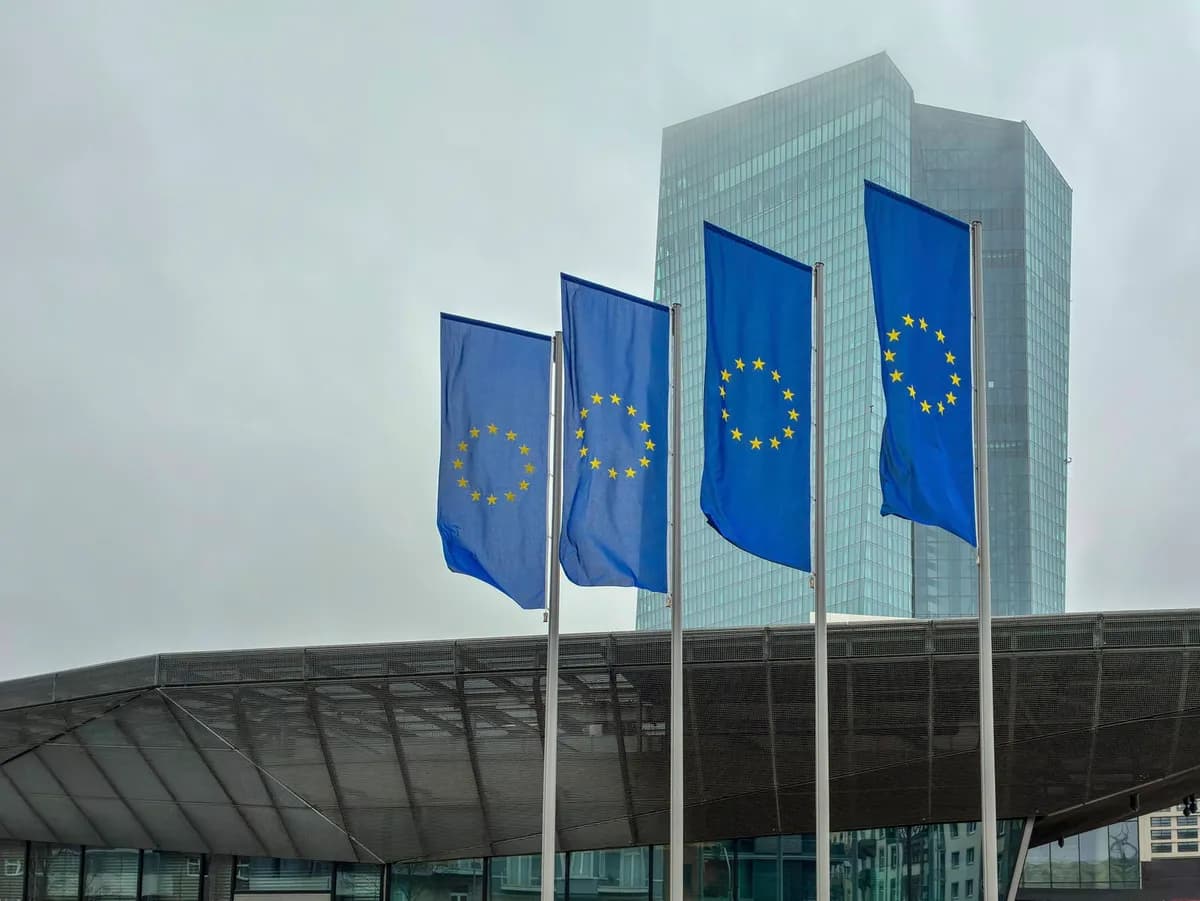
The Eurozone's GDP grew by 0.4% in the third quarter of 2026, exceeding forecasts despite geopolitical instability and rising energy costs. However, inflation is emerging as a significant concern, with consumer prices climbing to 3.8% in September.
Eurozone Economic Growth
Despite challenges such as geopolitical instability and increasing energy costs, the Eurozone experienced stronger-than-expected economic growth in the third quarter of 2026. According to preliminary data from Eurostat released on October 30, the GDP increased by 0.4% in the Eurozone and 0.5% in the European Union overall. Year-on-year growth stood at 1.3% for the Eurozone and 1.5% for the EU. However, these figures indicate a slowdown compared to the previous quarter, where the Eurozone and EU reported growth rates of 0.6% and 0.7%, respectively.
Uneven Recovery Across Member States
The economic recovery within the Eurozone is not uniform among member states. Spain and the Netherlands both recorded a growth of 0.6%, while Belgium saw a modest increase of 0.3%. Ireland reported a substantial rise of 5.5%, although officials noted that this figure was strongly influenced by multinational companies. In contrast, Germany's growth was only 0.2%, Italy stagnated, and France experienced a slight contraction of 0.1%. These disparities suggest that countries relying on the services sector and domestic demand are performing better than those dependent on energy-intensive industrial production.
Rising Inflation Pressures
Inflation has resurfaced as a major threat to this fragile economic stability, with consumer prices in the Eurozone reaching 3.8% in September, up from 3.2% in August. This increase is largely attributed to spikes in energy prices linked to Middle Eastern conflicts. Rising electricity and fuel costs have a cascading effect on the economy, forcing companies in sectors like steel, chemicals, and transport to either cut profits or raise consumer prices. This dynamic poses the risk of inflation rising while economic growth slows, as escalating energy bills diminish household purchasing power.
ECB's Approach to Interest Rates
In response to these pressures, the European Central Bank (ECB) decided to keep its key interest rates unchanged during its meeting on October 29, maintaining the deposit rate at 2.50%. ECB President Christine Lagarde noted the ongoing impact of the energy crisis. The ECB faces a political dilemma: while higher interest rates can curb inflation, they may also hinder growth. Conversely, lowering rates could boost investment but exacerbate price increases. Thus, the bank is adopting a cautious, case-by-case strategy based on evolving employment and inflation data.
Strategic Spending as Economic Support
Increased strategic spending is another pillar supporting the economy. The ECB highlights that investments in digital transformation, artificial intelligence, and national defense are driving growth in engineering and technology sectors. However, there are concerns regarding the long-term fiscal health of heavily indebted countries due to this surge in public expenditure. Although Europe has managed to avoid widespread recession, its future stability will depend on reducing energy dependency and stabilizing prices without stifling economic momentum.
This article is for information only and is not investment advice.