
EU Trade Negotiators Aim to Limit Imports of Cheap Hybrid Electric Cars from China
Written with artificial intelligence.
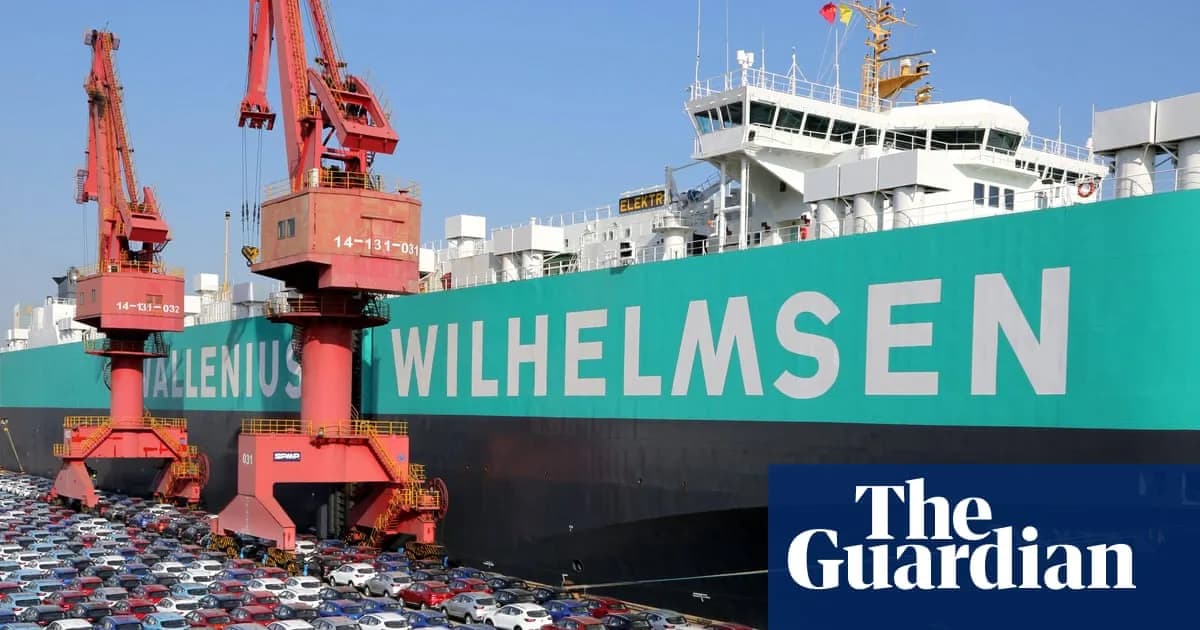
EU trade negotiators, led by Commissioner Maroš Šefčovič, are set to engage in critical discussions in China to address the country's significant trade surplus, particularly focusing on curbing the import of inexpensive hybrid electric cars. The outcome of these talks could influence upcoming EU policy decisions regarding trade with China.
EU Negotiators in China for Trade Discussions
EU trade officials are traveling to China for two days of crucial negotiations aimed at addressing the country's substantial trade surplus, which currently stands at £1 billion a day. The discussions, led by Trade Commissioner Maroš Šefčovič, will focus on limiting the import of cheap hybrid electric cars into Europe.
The talks are scheduled to begin on Thursday and will extend into Friday, with the EU seeking to achieve meaningful agreements before a meeting of EU leaders in Brussels next week. One of the primary objectives is to establish a pilot agreement that could serve as a model for future trade deals across various sectors, particularly in automotive manufacturing.
Since June, diplomatic efforts have been underway to prevent a potential trade war, though past experiences suggest that China may quickly adapt to any trade restrictions. For instance, after the EU imposed tariffs on Chinese electric vehicles in October 2024, exports of hybrid cars surged as they were not subject to the same tariffs. In response to rising hybrid car sales, the EU recently requested that China voluntarily limit these exports, warning that failure to comply could lead to the implementation of safeguards such as quotas.
The atmosphere surrounding the negotiations has shifted, with EU member states increasingly demanding protection against Chinese imports that threaten their domestic industries. Notably, German Chancellor Friedrich Merz recently aligned with French President Emmanuel Macron to support a new trade defense mechanism, which would allow EU leaders to restrict access to the single market swiftly. This change reflects growing concerns over the impact of Chinese imports on critical sectors, including pharmaceuticals, aerospace, and automotive industries.
Experts caution that these negotiations will test the willingness of both Beijing and Brussels to make significant concessions. Andrew Small, a former EU adviser, highlighted the risk of China employing tactics that could delay decisive action from Europe, potentially exacerbating European deindustrialization.
The evolving stance of EU leaders underscores the urgent need for a proactive approach in trade relations with China, as highlighted by recent commentary in the German press, which described the shift in policy as a pivotal moment in addressing the challenges posed by China's trade practices.