
Crude Oil Exports from Strait of Hormuz Near Pre-War Levels Amid Ongoing Challenges
Written with artificial intelligence.

Crude oil exports from the Strait of Hormuz have returned to near pre-war levels, facilitated by alternative transportation methods like pipelines and ship-to-ship transfers. However, the export of refined products, particularly diesel, remains significantly constrained, resulting in rising prices for consumers.
Recovery of Crude Oil Exports
Exports of crude oil from the Strait of Hormuz have largely rebounded to levels seen before the outbreak of the Iran war. Analysts report that oil producers and the shipping industry have adapted by employing alternative transport methods, including pipeline exports and ship-to-ship transfers. The U.S. military continues to provide escort for some vessels in the region, ensuring safer passage despite ongoing tensions.
In September, approximately 16.5 million barrels per day (bpd) were exported from the region, aligning with pre-war averages, excluding Iran. This figure represents a significant increase of 10.5 million bpd compared to March, when the conflict began. As the situation has evolved, oil exporters have identified workarounds to counter disruptions caused by Iran's assertions of control over the Strait.
Alternative Transport Methods
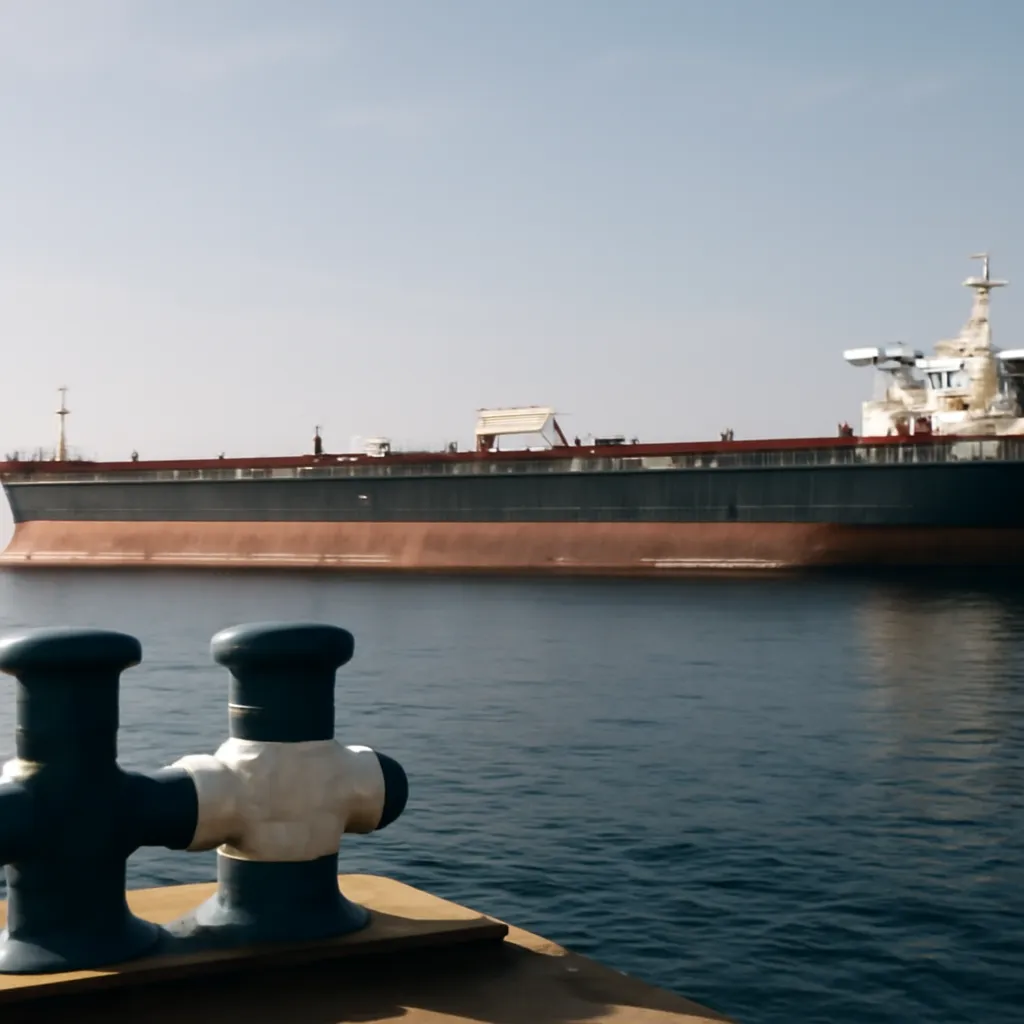
Currently, about 40% of the region's crude is transported without passing through the Strait of Hormuz, up from just 17% before the war. This shift is facilitated by Saudi and Emirati pipelines, particularly following the resumption of operations on Saudi Arabia's east-west pipeline after repairs. Notably, most crude passing through the strait is transferred to different tankers at sea, often using a fleet of very large crude carriers that operate with their satellite transponders turned off.
Despite the recovery of crude exports, the flow of refined products, especially diesel, remains a significant concern. Recent data shows that refined product shipments through the Strait have plummeted to less than 20% of pre-war levels, with only 677,000 bpd of refined products being transported as of Monday, compared to 3.6 million bpd before the conflict.
Impact on Diesel Prices
The constraints on refined product exports are affecting consumers, particularly with diesel prices reaching record highs. In the UK, the average diesel price hit an unprecedented 199.18 pence per litre, with some motorists reporting prices exceeding £2. Analysts from Kpler have identified diesel as carrying the highest risk due to its limited availability.
While oil exports have increased, the risk to vessels operating in the Strait has not abated. Richard Meade, editor in chief of Lloyd’s List, emphasized that the resilience of oil flows does not equate to security. This ongoing danger was underscored when three Liberian-flagged tankers were struck by projectiles while navigating the strait.
With crude prices remaining elevated, Brent crude was trading above $100 a barrel recently, influenced by a range of factors including China's suspension of oil product exports beyond Hong Kong and Macau, which adds further pressure to the market. Traders are navigating a complex situation as they balance increased exports with the uncertainty surrounding the ongoing conflict.
This article is for information only and is not investment advice.