
BlackRock CEO Warns of Potential US Recession Due to AI Regulations
Written with artificial intelligence.
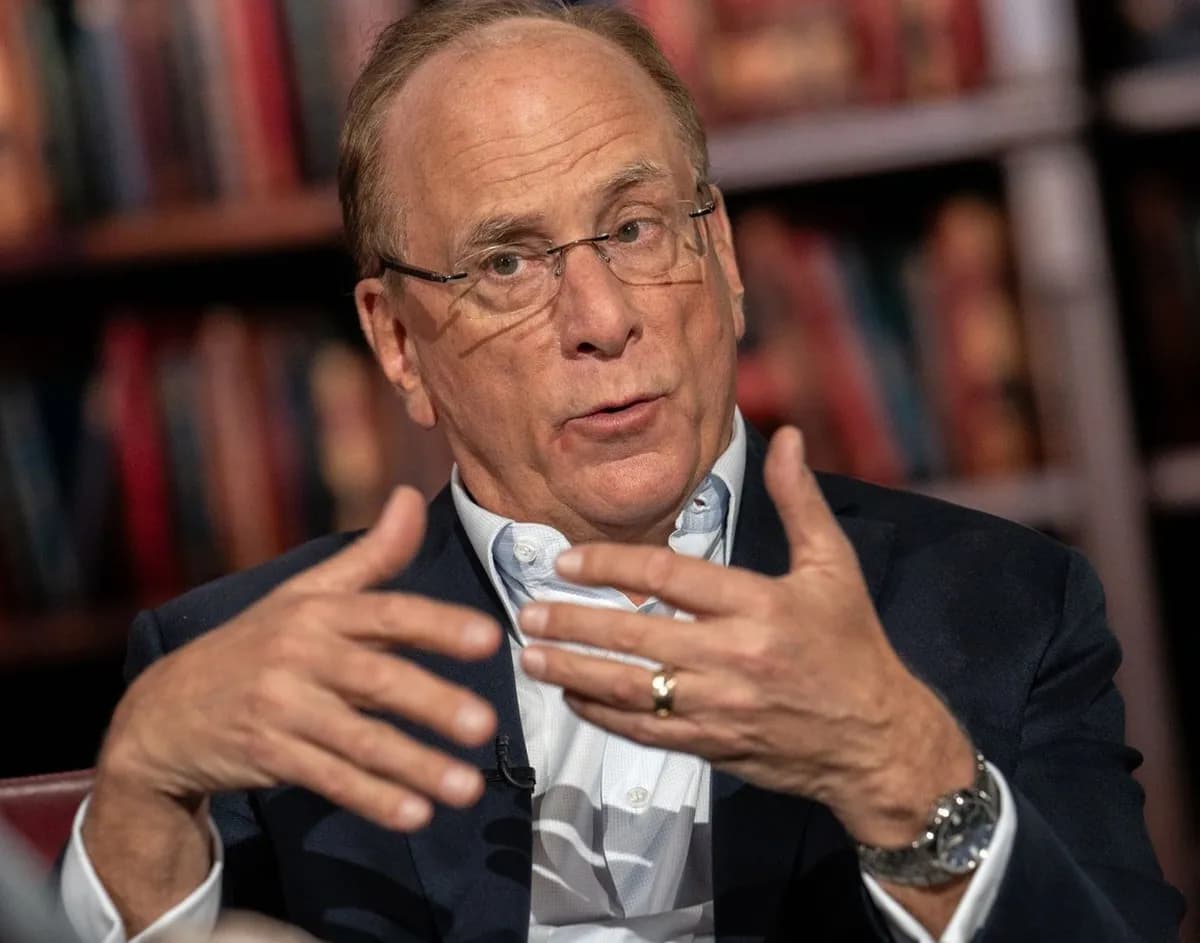
Larry Fink, CEO of BlackRock, cautioned that stricter regulations on artificial intelligence (AI) in the United States could potentially lead to an economic recession. His comments follow the recent midterm elections, which may result in more stringent AI-related policies.
Stricter AI Regulations and Economic Concerns
In a recent interview with Nikkei Asia and TV Tokyo, Larry Fink, the CEO of BlackRock, expressed concerns that increased regulations surrounding artificial intelligence (AI) could have dire consequences for the U.S. economy. He stated that such regulations might even lead to a recession, particularly if they include restrictions on constructing data centers.
Fink highlighted that the outcome of the midterm elections on November 3, where the Democratic Party gained a significant victory, is likely to influence the direction of AI policy in the U.S. He noted that if political motives result in moratoriums on data centers, it would negatively impact economic growth, given the essential role of capital expenditures in technology.
Investment Needs and Capital Scarcity
Fink estimated that the U.S. will need to invest between $7 trillion and $9 trillion in AI to keep pace with advancements. He warned that the current scarcity of computational resources is already hindering the widespread adoption of AI technologies. In an October earnings call, he remarked on experiencing a genuine shortage of capital for AI investments, particularly affecting newer cloud providers and AI startups that struggle to secure necessary infrastructure funding.
To address this gap, Fink proposed securitization of AI-related assets, akin to the practices used for auto loans and mortgage-backed securities. This approach could create direct financing avenues for AI through capital markets.

Collaboration and Future Prospects
BlackRock is actively seeking partnerships with institutional investors, including a coalition formed in 2024 with Microsoft and Nvidia, as well as acquiring a U.S. data center operator in July. Fink also noted Japan's potential to lead in AI and robotics, suggesting that productivity gains from these technologies could support the country's economic growth and fiscal health.
In discussing the recent leadership change at Nvidia, Fink emphasized that the departure of a single leader would not derail the ongoing advancements in AI. He reiterated the importance of diversifying financing options in Japan's market to foster growth.
This article is for information only and is not investment advice.