
Bank of England Raises Interest Rates Amid Cost of Living Crisis
Written with artificial intelligence.
The Bank of England has increased interest rates to 4% despite the ongoing cost of living crisis affecting households. This decision contradicts predictions from the Office for Budget Responsibility, which forecasts lower inflation and minimal wage growth in the near future.
Interest Rate Hike
The Bank of England made a significant decision to raise interest rates to 4%, increasing the cost of borrowing by 0.25 percentage points. This move comes as many households face a second cost of living crisis in just four years, leading to skepticism about the necessity of such an increase amid economic struggles.
Economic Context
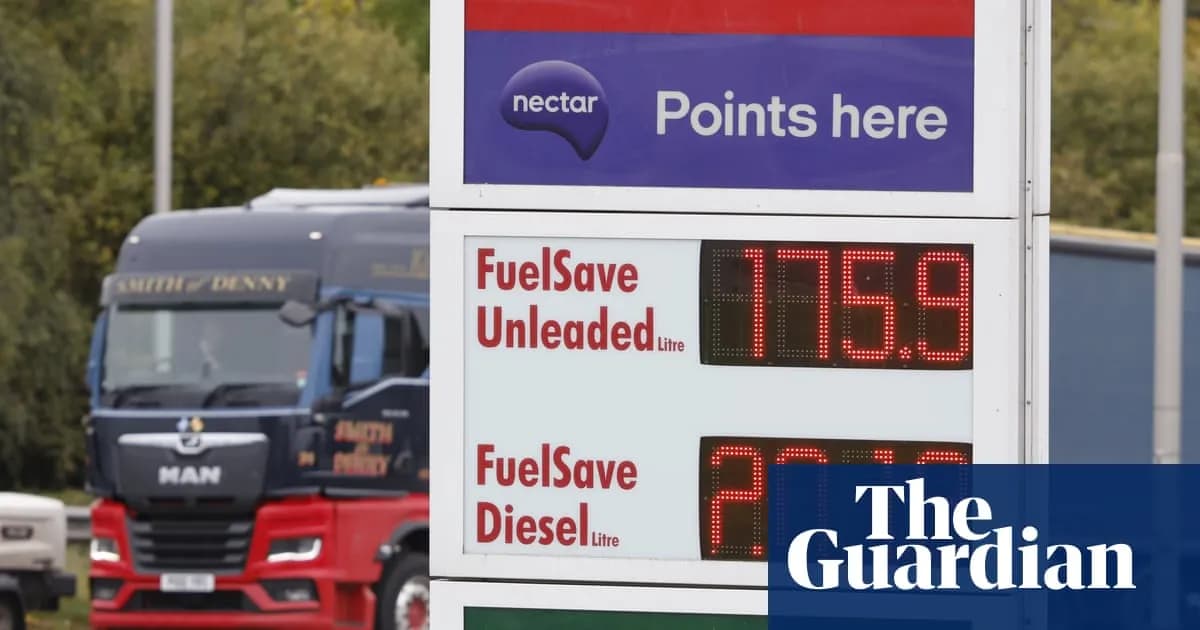
While the UK economy has shown resilience in the face of rising oil and gas prices, many sectors, particularly retail and hospitality, are struggling. Households are feeling the pinch as they spend on essentials like food and energy, with little left for discretionary spending. Businesses are similarly affected, having absorbed substantial tax increases and rising costs.
Contrasting Predictions
The Bank of England's analysis suggests that the energy price shock will lead to increased prices and wage demands, potentially fueling inflation in the coming years. However, the Office for Budget Responsibility (OBR) disagrees, predicting a more subdued economic growth of 1% in 2027 and a peak inflation rate of 3.75%. OBR chief economist David Miles noted that businesses are currently weak, with profit margins declining significantly, which could limit wage increases.
Current Economic Landscape
Unlike the previous crisis in 2022, when households had savings from lockdowns and businesses were competing for workers, the current environment shows low savings and high inflation. The British Chambers of Commerce expressed disappointment with the interest rate rise, highlighting that there is currently little evidence of a wage-price spiral the Bank is concerned about. With unemployment higher than in 2022 and a growing reliance on artificial intelligence in the workforce, the appetite for substantial wage increases appears limited.
Future Implications
As the government faces constraints from bond markets limiting its spending, there is a risk that both the government and the Bank of England may inadvertently stifle economic growth. Policymakers are focused on managing inflation and adhering to fiscal rules, but the potential consequences for economic stability remain uncertain.
This article is for information only and is not investment advice.