
André Lara Resende's Proposal to Lower Interest Rates in Brazil
Written with artificial intelligence.
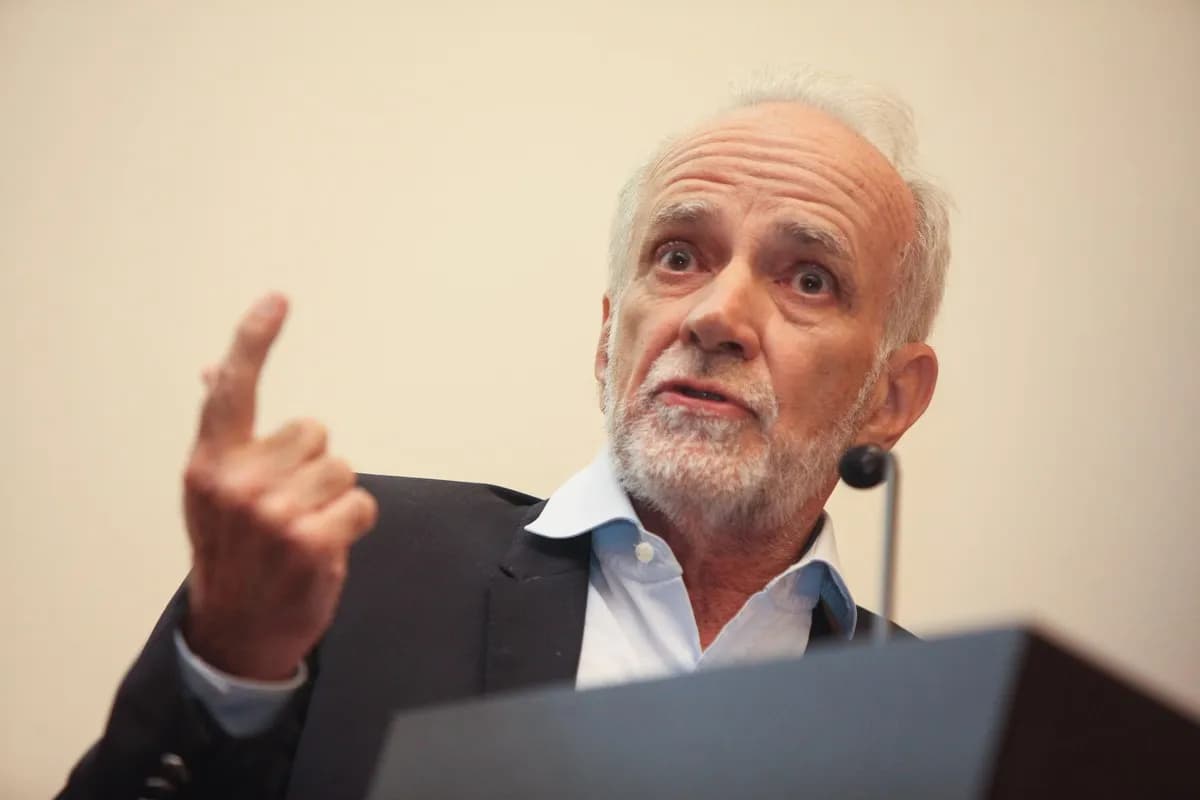
Economist André Lara Resende, a key architect of the Real Plan, has proposed a significant shift in Brazil's fiscal and monetary policies aimed at gradually reducing the Selic rate to 7.5% over the next 12 months. His approach challenges conventional views on fiscal imbalance, emphasizing the need to address the cost of public debt rather than just focusing on the primary deficit.
Overview of the Proposal
André Lara Resende, an economist and former director of Brazil's Central Bank, has put forward a proposal to reduce the Selic rate from 13.75% to approximately 7.5% over a 12-month period. This plan, made public on September 25, is gaining attention as it suggests a new framework for Brazil's monetary and fiscal policies, particularly in light of its potential presentation to President Luiz Inácio Lula da Silva for implementation.
Rethinking Fiscal Imbalance
Lara Resende's analysis asserts that the primary driver of Brazil's fiscal imbalance is not the primary deficit, which excludes interest expenses, but rather the high cost of public debt. He argues that maintaining high interest rates exacerbates government financial burdens, leading to increased debt levels and undermining fiscal confidence. According to his figures, the average cost of debt reached 12.68% per year, resulting in annual expenses of around R$ 1.4 trillion, or 10.5% of the GDP.
Proposed Mechanism for Rate Reduction
The first step in Resende's plan is to announce a gradual reduction of the Selic to 7.5%, which he bases on a projected nominal GDP growth rate of 5.5%, with an additional 2% safety margin. After this transition, the Selic would operate within a defined range between 3% (the inflation target) and 5.5% (the potential nominal growth). This approach would also involve a new governing body, the National Fiscal and Monetary Council (CFMN), to oversee these parameters, thus reducing the Central Bank's current autonomy in setting the Selic.

Potential Benefits and Risks
Lara Resende estimates that this adjustment could save the government nearly 4% of GDP annually by reducing the average debt cost, thereby lowering the nominal deficit from over 10% to around 6% of GDP. However, there are concerns regarding capital outflows, as lower interest rates may diminish Brazil's appeal to international investors, potentially leading to currency devaluation and increased inflation from rising import costs. To mitigate these risks, he suggests that the Central Bank could utilize its international reserves to stabilize the currency during this transition.
This article is for information only and is not investment advice.