
US Inflation Increases 0.4% in October Amid Dipping Gas Prices
Written with artificial intelligence.
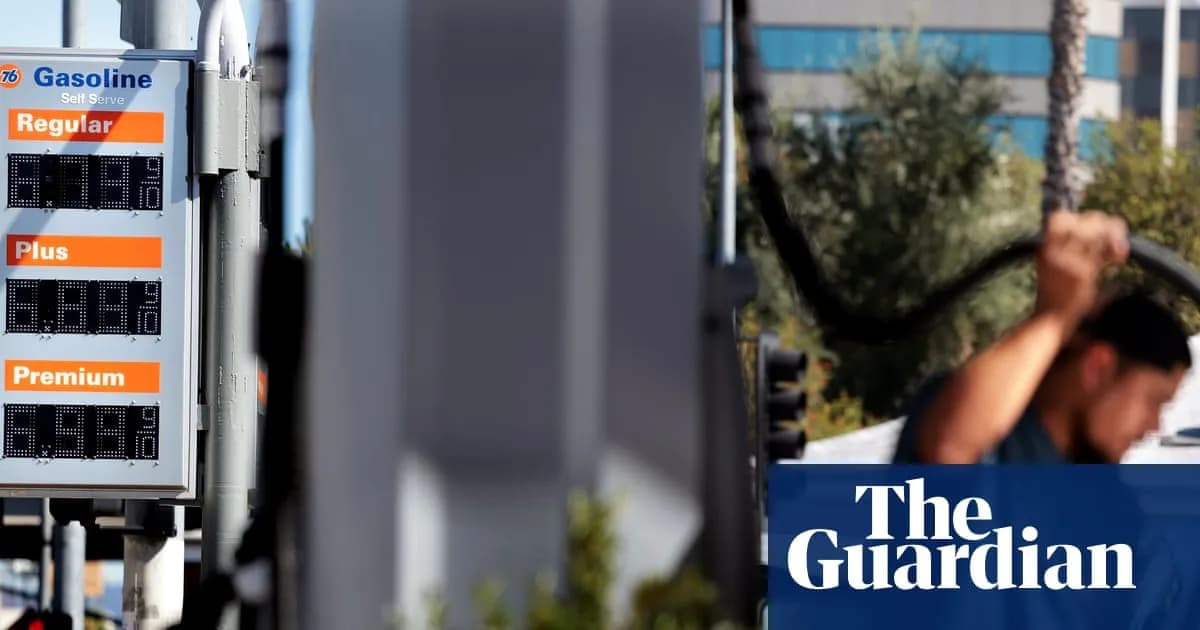
In October, US inflation rose by 0.4% compared to September, slightly exceeding forecasts while indicating a slowdown in price increases, particularly as gas costs fell. The Bureau of Labor Statistics did not provide a year-over-year inflation figure due to a lack of data from October 2025, stemming from a previous government shutdown.
Overview of October Inflation
US inflation rose by 0.4% from September to October, a figure that is slightly above expectations. This increase suggests a moderation in price hikes, especially influenced by a decrease in gas prices during the month.
The Bureau of Labor Statistics did not publish the usual year-over-year inflation data as part of the Consumer Price Index (CPI) due to absent data collection in October 2025 from the government shutdown. However, estimates from economists at Oxford Economics suggest that if the October 2025 data were available, the inflation rate for October 2026 would be around 3.9%, marking its highest since May 2026.
Factors Behind Inflation
The ongoing rise in energy costs, particularly linked to the Iran war, has been a significant contributor to inflation. Energy prices saw a 0.7% increase in October, following a 5.2% rise in September. While monthly CPI changes showed an increase of 0.6% from August to September, gas prices fell from an average of $4.41 per gallon at the start of October to $4.22 by the end of the month, although they remain over $1 higher than the previous year.

Federal Reserve Actions
The US Federal Reserve raised interest rates in September for the first time since 2023 and is expected to do so again in December. Higher interest rates typically aim to slow the economy and reduce inflation by making borrowing more expensive. The Fed’s target inflation rate is 2%, which it regards as optimal for economic stability.
Despite significant labor market growth in October, which exceeded economists’ expectations, the relationship between current inflation and energy prices complicates the effectiveness of potential rate hikes. Fed Chair Kevin Warsh emphasized the commitment to curbing inflation and maintaining stable expectations across the economy.
Consumer Sentiment
Consumer sentiment saw a slight increase in late October, coinciding with the decrease in gas prices. However, the stock market faced challenges, leading to a 5% drop in sentiment among wealthier consumers. Anxiety over a potential AI bubble was noted by Joanne Hsu from the University of Michigan’s Survey of Consumers.