
UK Inflation Rises to 3.5%, Heightening Rate Hike Expectations
Written with artificial intelligence.
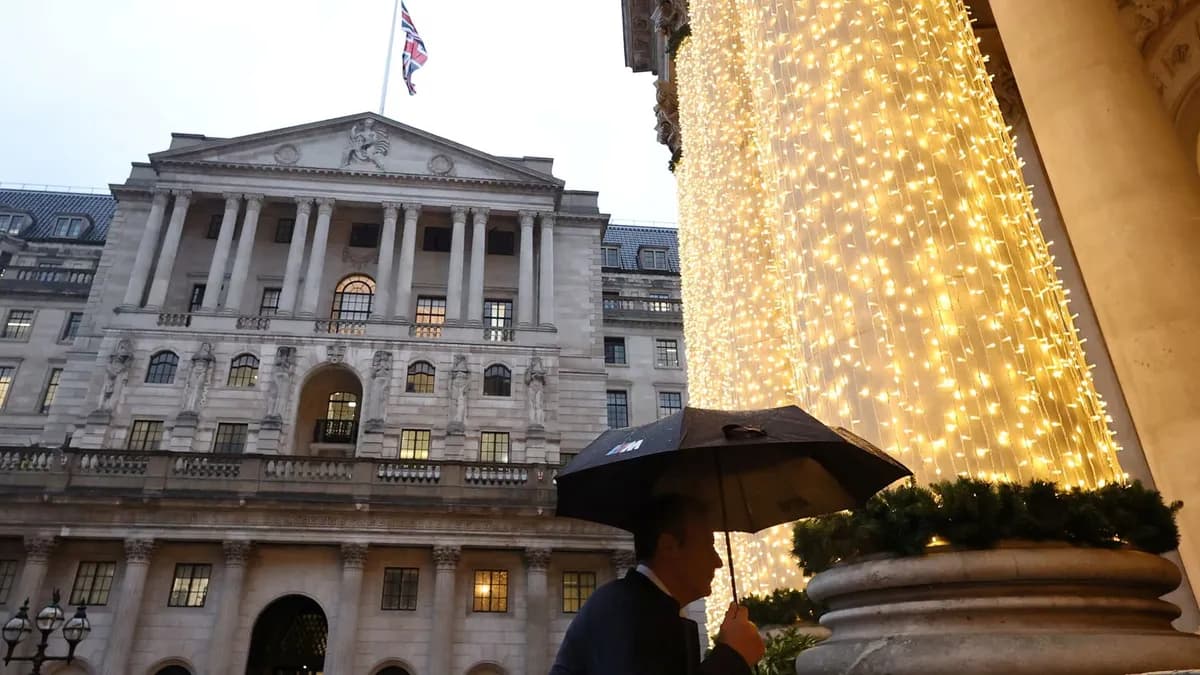
UK inflation surged to 3.5% in September, exceeding economists' predictions of 3.4%. This increase is primarily attributed to a 29.8% rise in motor fuel prices over the past year, raising concerns about potential rate hikes from the Bank of England.
Inflation Trends in the UK
The UK's inflation rate climbed to 3.5% in the twelve months ending in September, surpassing the expected 3.4% forecast by economists surveyed by Reuters. This marks an increase from 3.1% in August and 2.9% in July, making it the highest inflation rate recorded in nearly a year.
Key Factors Behind the Increase
The Office for National Statistics reported that motor fuel prices played a significant role in this inflation spike, with a notable 29.8% increase year-over-year. This surge coincides with ongoing geopolitical tensions, including the U.S.-Iran conflict, which affect oil supply routes and contribute to volatile energy prices. As a net energy importer, the UK is particularly susceptible to such external shocks.
Market Reactions and Future Expectations
Following the inflation announcement, the British pound remained stable against the euro and U.S. dollar, while yields on UK government bonds showed little change. Analysts predict a 98% likelihood that the Bank of England will raise its key interest rate by 25 basis points to 4% in the upcoming month, with further hikes anticipated later in the year.

Implications for Fiscal Policy
Chancellor of the Exchequer John Healey is preparing for a significant fiscal update in the upcoming Autumn Budget. He faces the challenge of adhering to fiscal rules aimed at controlling public debt, which recently surpassed £3 trillion ($4 trillion), while also addressing the rising cost of living for consumers. Rising inflation complicates these efforts, increasing demands for financial support and tightening the government's fiscal options.
The economic landscape suggests that policymakers will need to act carefully to avoid exacerbating inflation, particularly as they prepare for the November rate decision and the implications of the forthcoming budget.
This article is for information only and is not investment advice.