
UK 30-Year Gilt Yield Hits 6%, Highest Since 1998 Amid Global Pressure
Written with artificial intelligence.
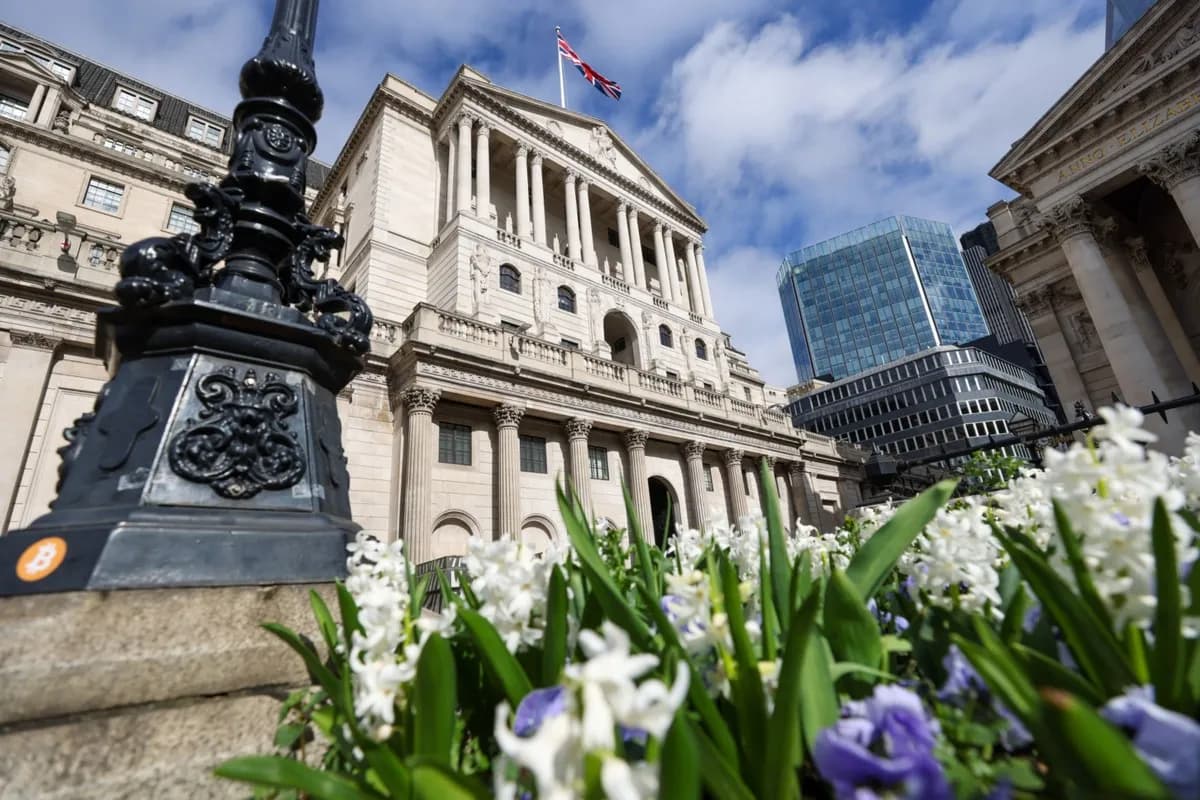
The yield on the UK's 30-year government bonds, known as Gilts, reached 6% for the first time since 1998, driven by global pressure on fixed income markets. Investors are now pricing in multiple interest rate hikes by the Bank of England, with a 96% probability of a 0.25 percentage point increase next month.
Significant Rise in Gilt Yields
On Thursday, the yield on the UK's 30-year Gilt surged to 6%, marking its highest level since 1998. Although it later corrected slightly, it remained elevated as market participants anticipated interest rate hikes from the Bank of England (BoE).
As of 8 AM (Brasília time), the yield on the 10-year Gilt fell from 5.427% to 5.415%. Meanwhile, the 30-year bond yield stabilized at 5.953%, after peaking at 6.073% earlier in the day.

Factors Influencing the Market
Rising oil prices and strong economic activity in both the United States and Europe have heightened inflation concerns. Consequently, investors are now fully pricing in four rate hikes by the BoE by July 2027, with the first expected as early as November, according to data from LSEG. Currently, markets assign a 96% probability of a 0.25 percentage point increase in the UK interest rate to 4% next month.
The increase in American Treasury yields is also impacting sovereign bond rates globally. Evelyne Gomez-Liechti, a multi-asset strategist at Mizuho, noted that "with U.S. market rates still driving global rate trends and oil prices remaining high, the barrier to a significant rise in Gilts continues to be substantial."