
Markus Brunnermeier Nominated as ECB Chief Economist
Written with artificial intelligence.
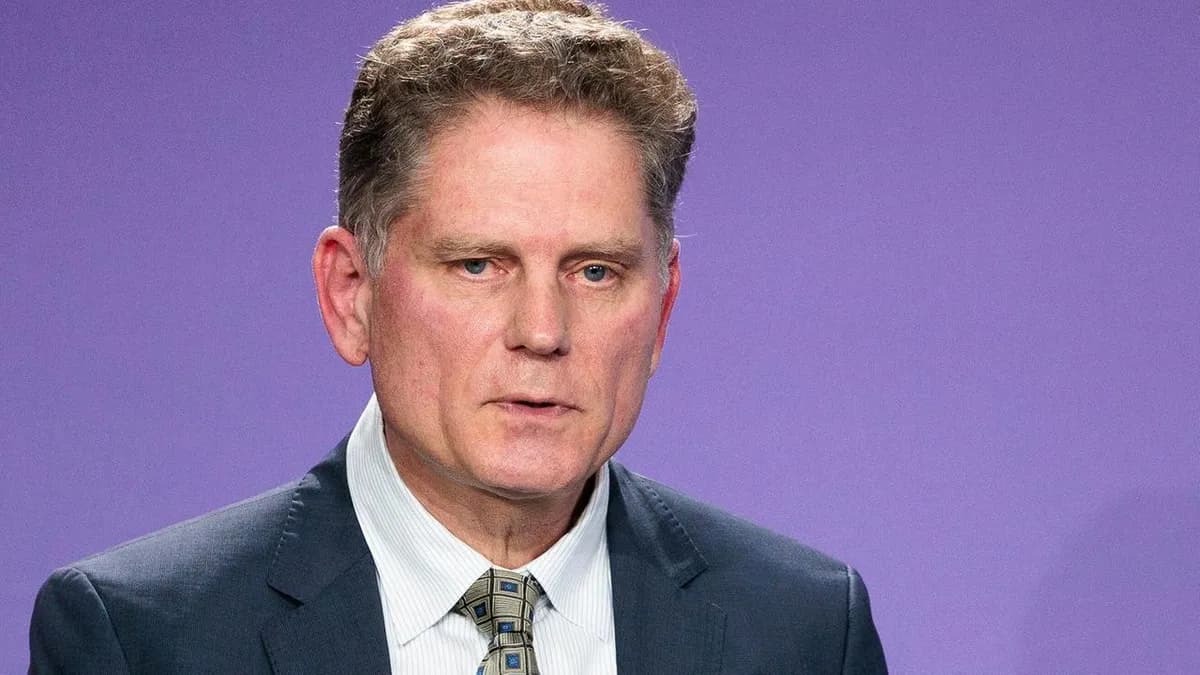
The German government has proposed Markus Brunnermeier for the position of Chief Economist at the European Central Bank (ECB), a role considered influential in monetary policy decisions. Brunnermeier, a Princeton University professor, is recognized for his expertise in financial markets and macroeconomic stability.
Nomination Overview
The German government has officially nominated Markus Brunnermeier to serve as the next Chief Economist of the European Central Bank (ECB). This position is critical for shaping the ECB's monetary policy decisions. The announcement was made by government spokesperson Steffen Meyer following a proposal from Finance Minister Lars Klingbeil.
Background of Markus Brunnermeier
Brunnermeier, 57, is a professor of economics at Princeton University. He has a strong academic background, having grown up in Landshut, Bavaria, and studied economics in Regensburg. His research focuses on financial markets, monetary policy, and macroeconomic stability. Additionally, he brings extensive international experience from various economic and financial advisory bodies, including the International Monetary Fund (IMF) and the Federal Reserve Bank of New York.
Market Reactions
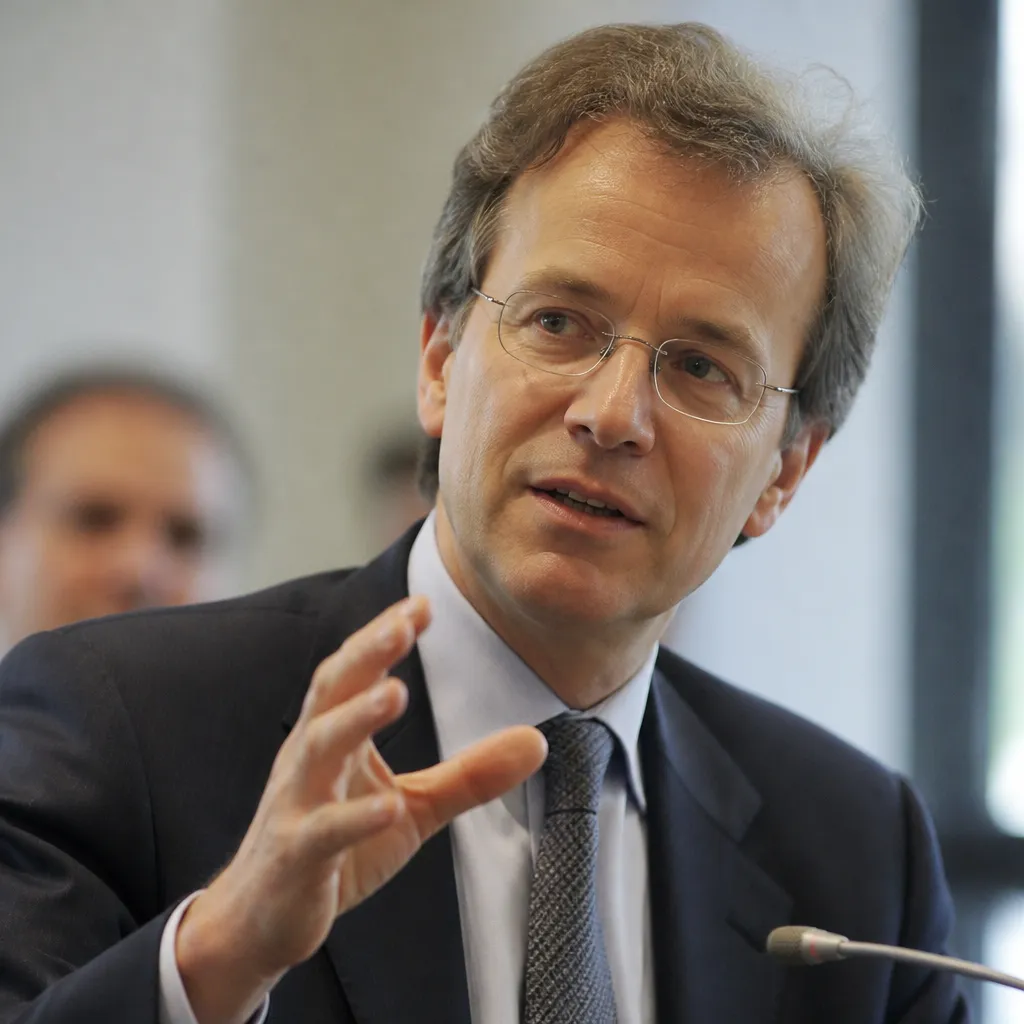
Economists have welcomed the nomination, with Jörg Krämer, Chief Economist at Commerzbank, stating that Brunnermeier is a distinguished international economist. He highlighted Brunnermeier's broad expertise and his research at the intersection of financial markets and monetary policy, noting that his pragmatic approach aligns with stability-oriented monetary policies, especially in light of rising inflation risks.
Future Implications
As Chief Economist, Brunnermeier would prepare the ECB's interest rate and strategy decisions, influencing the foundation of European monetary policy. Currently, this role is held by Philip Lane, who is expected to be succeeded by Brunnermeier around mid-2027. This nomination is part of a broader restructuring at the ECB, as President Christine Lagarde plans to step down earlier than expected in February 2027.
The selection of top positions at the ECB involves negotiations among Eurozone leaders, the European Parliament, and the ECB Council, with national representation also playing a significant role. Thus, while Brunnermeier's nomination is a positive step, the final confirmation remains uncertain.