
Market Expectations for Federal Reserve Rate Hike Rise
Written with artificial intelligence.
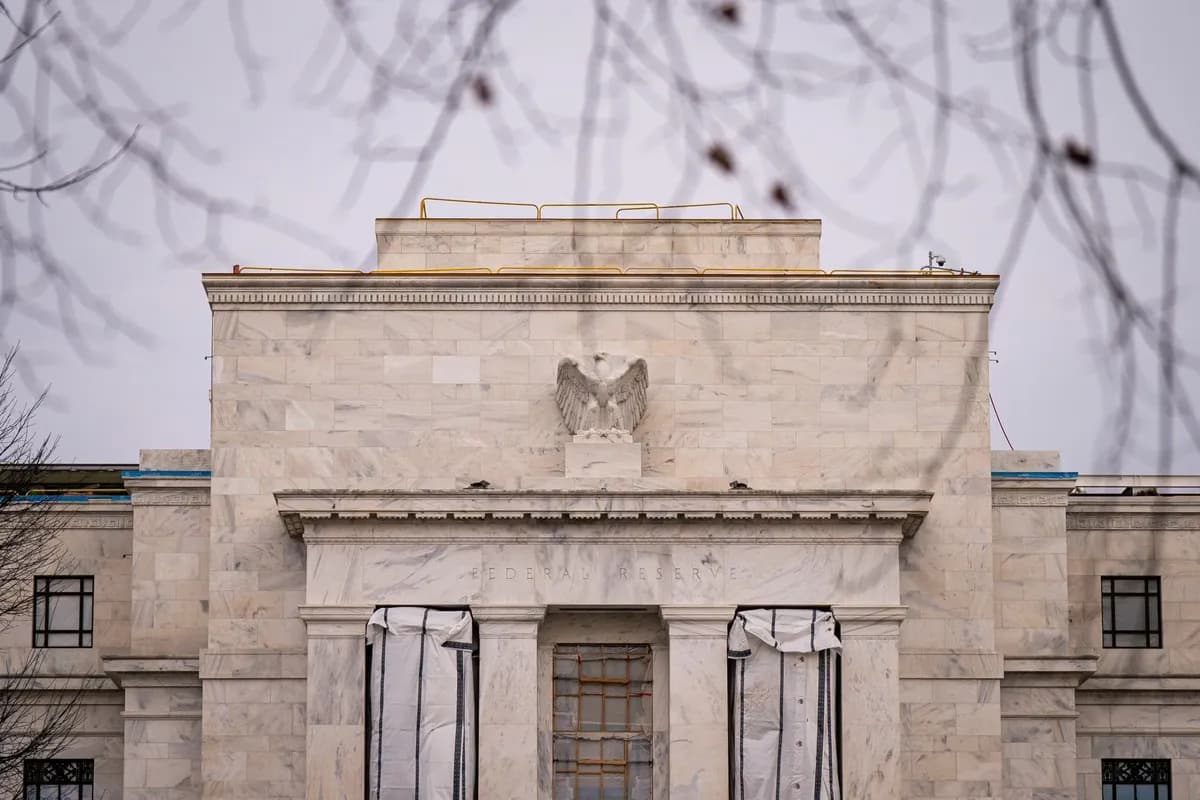
Market expectations have increased for a Federal Reserve interest rate hike in December, with a possibility of a larger increase of 0.50 percentage points following higher-than-expected inflation data for October. Federal Reserve official Christopher Waller indicated the need for a more aggressive monetary tightening due to ongoing inflationary pressures.
Market Outlook for December Rate Hike
Recent data and comments from Federal Reserve officials have led to heightened expectations for an interest rate increase in December. The futures contracts for the federal funds rate, tracked by CME Group, show an 88.4% probability for a 0.25 percentage point hike, up from 84% the previous day and 78% earlier in the week. Additionally, the likelihood of a 0.50 percentage point increase has risen to 11.6%, a significant jump from zero.
Inflation Data Highlights
In October, the Consumer Price Index (CPI) in the United States increased by 0.4% compared to September's 0.6% rise. The core CPI, which excludes volatile food and energy prices, also saw a monthly increase of 0.3%, consistent with September's performance and above the expected 0.2%. Waller has stated his support for a potential rate increase in December, suggesting that further increases could be discussed if inflation continues to accelerate.
Responses from Analysts
Analysts are closely watching inflation trends. Capital Economics noted that the widespread nature of the 0.3% rise in the core CPI indicates a solid basis for a rate hike in December. Ian Lyngen from BMO Capital Markets believes that a robust job market combined with persistent core CPI values makes a December rate increase almost certain, with the potential for a larger adjustment being a topic of discussion.
Future Implications
Looking ahead, the key question for markets is whether the increase in December will be 0.25 or 0.50 percentage points. Analysts like Daniel Siluk from Janus Henderson caution that while a 0.50 percentage point increase seems unlikely, pressures on inflation could lead to more significant tightening in the future. The Federal Reserve may need to signal not just higher rates but also a longer-term commitment to maintaining a restrictive monetary policy as inflation dynamics evolve.
This article is for information only and is not investment advice.