
Inflation Rises to 4.9% in September Due to Rising Fuel Prices
Written with artificial intelligence.
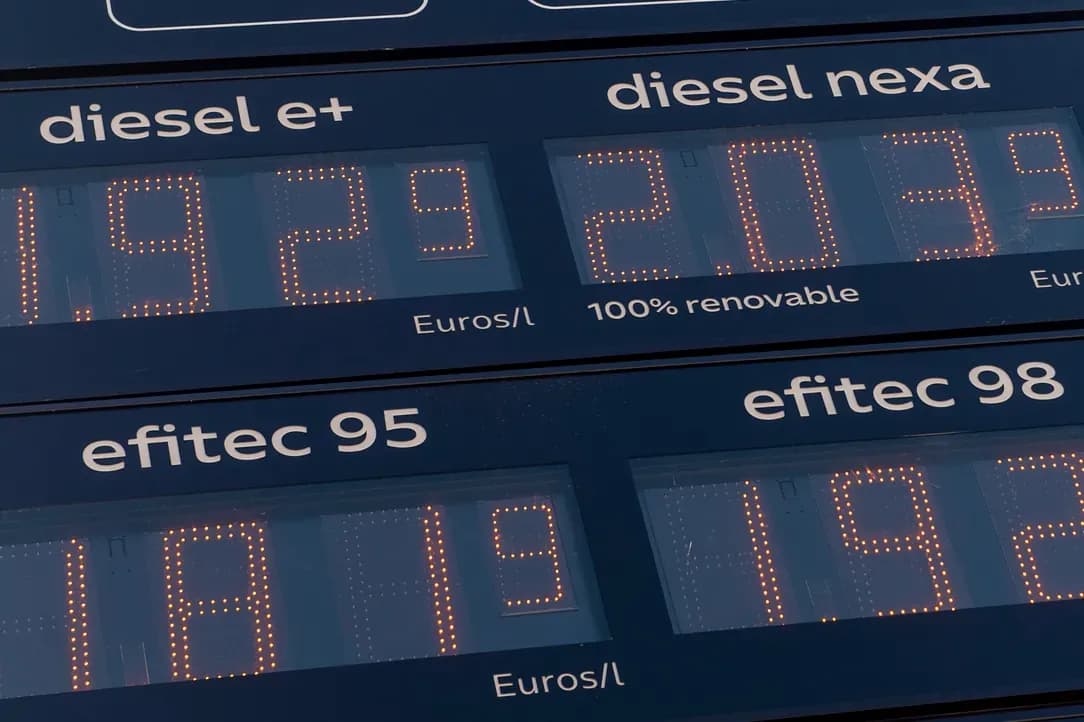
In September, the year-on-year inflation rate in Spain reached 4.9%, driven by increased energy costs linked to the ongoing conflict in Iran. This marks the third consecutive rise, pushing inflation to its highest level since February 2023.
Rising Inflation Rates
Spain's annual inflation, measured by the Consumer Price Index (CPI), increased by six-tenths of a percentage point in September, approaching 5%. This rise, attributed primarily to higher fuel and lubricant costs for vehicles, reflects the impacts of the energy crisis stemming from the conflict in Iran. The CPI has now reached its highest level in over three years.
Contributing Factors
This month, the CPI rose by 0.3% compared to August, indicating a sustained pressure on living costs. The National Statistics Institute (INE) reported this preliminary data, which will be confirmed on October 14. The increase in CPI is also influenced by lower fuel prices observed in September 2025, affecting the year-on-year comparison.
While fuel prices are the main drivers, tourism package prices also contributed to the overall increase, albeit to a lesser extent. On a different note, core inflation, which excludes energy and unprocessed foods, increased by two-tenths to 3.1%. This suggests growing inflationary pressures in services and non-energy industrial goods.

Government Response
In response to the rising inflation, the Spanish government is set to approve a third package of measures aimed at mitigating the impact on households and sectors adversely affected by fuel price hikes. Previous packages were implemented shortly after the onset of the conflict, with the latest adjustments designed to ease the pressure on family budgets, notably addressing the increased costs of gasoline and diesel.
The government is also extending support for the agricultural sector and plans to maintain long-term strategies to reduce energy dependency and promote electrification and decarbonization of the economy. Experts warn that the ongoing conflict could lead to further inflationary pressures, particularly in energy, which would ripple through the economy.
As of now, wage increases have not kept pace with inflation, averaging around 3% as per collective agreements, while the 12-month Euribor rate, crucial for variable mortgages in Spain, has risen to 3.2%, the highest in two years.
This article is for information only and is not investment advice.