
G7 Nations to Release 100 Million Barrels of Oil Reserves Amid Price Surge
Written with artificial intelligence.

In response to rising diesel prices and pressures from Donald Trump, G7 leaders have agreed to release up to 100 million barrels from their emergency oil stockpiles. The coordinated effort aims to stabilize fuel costs within four months.
Overview of the Agreement
Leaders of the G7 nations, including the United States, UK, Germany, Italy, Canada, and Japan, have decided to release up to 100 million barrels from their emergency reserves of crude oil and diesel. This decision follows significant pressure from former President Donald Trump, who threatened to cut off US diesel exports unless Europe tapped into its stockpiles to alleviate soaring prices.
Details of the Release
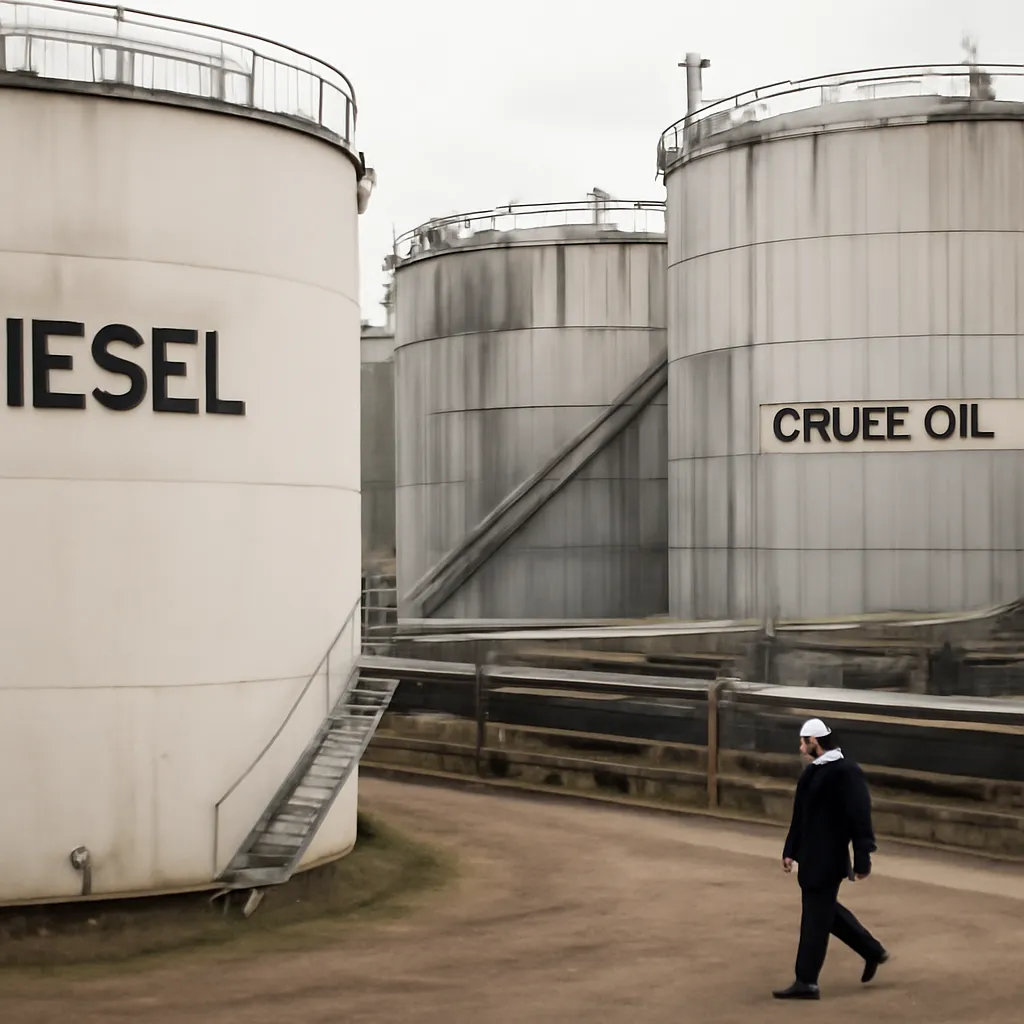
The release will consist of 50 million barrels of diesel and 50 million barrels of crude oil, coordinated by the International Energy Agency (IEA). According to French President Emmanuel Macron, the G7 members intend to execute the release within four months, with a substantial portion aimed to be available in the first 20 days following the agreement. This coordinated action is hoped to mitigate the economic impact of rising fuel prices, particularly affecting households and businesses.
Implications of Rising Diesel Prices
The urgency of this release is underscored by rising diesel prices, which have reached record levels in both the UK and the US. In early September, diesel prices in the US surpassed $5.85 a gallon, while UK prices hit £2 per litre. These increases have significant implications for consumers and the economy, especially for sectors relying heavily on diesel, such as transportation and agriculture.
Context of Current Oil Market
This intervention comes against a backdrop of disruption to fossil fuel exports from the Middle East and a decline in output from Russian refineries due to ongoing conflicts. The IEA had previously ordered the largest release of oil reserves in March, releasing 400 million barrels to address another price shock. Experts suggest that while the G7's action may provide temporary relief, it does not resolve the underlying global energy challenges.
This article is for information only and is not investment advice.