
Eurozone Inflation Rises to 3.8% in September, Highest in Three Years
Written with artificial intelligence.

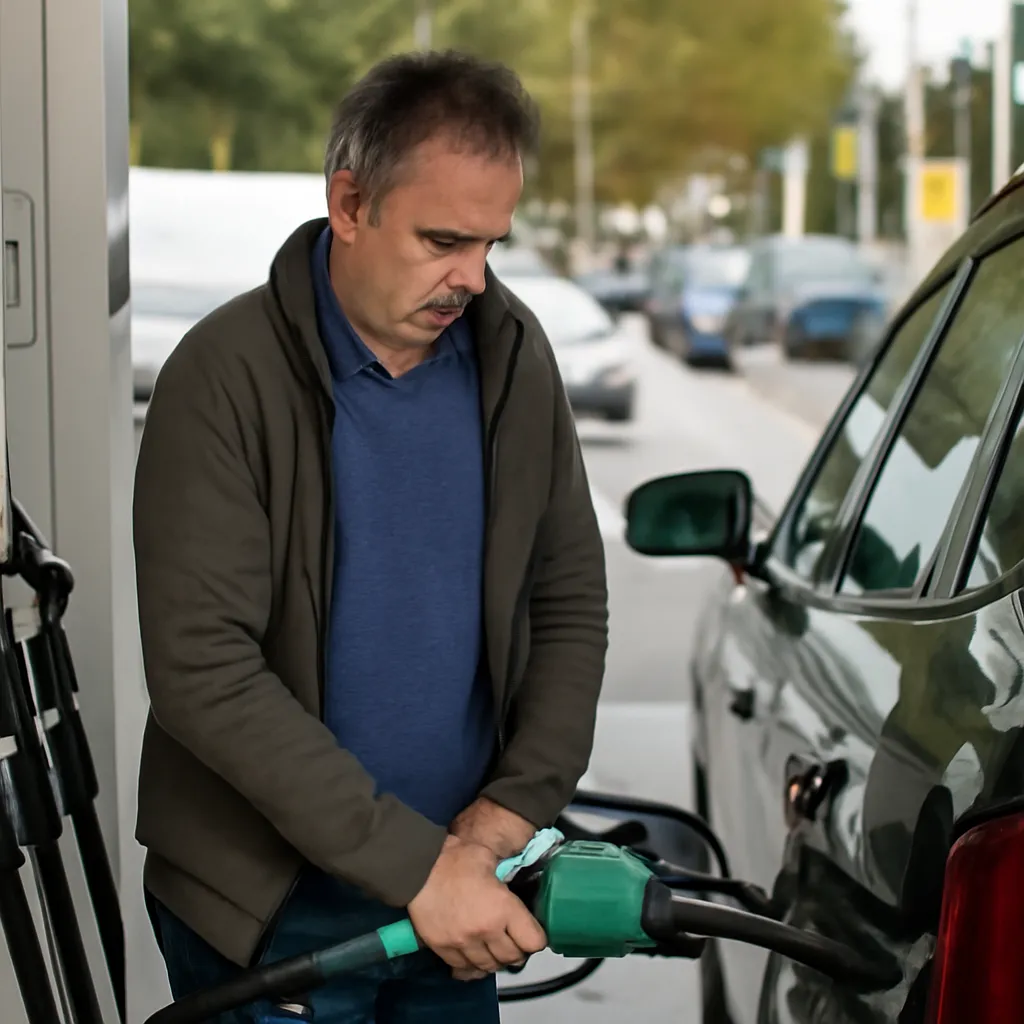
Inflation in the Eurozone increased to 3.8% in September, up six-tenths from August, driven by rising fuel (14.3%) and food prices (4%). Spain reported a harmonized inflation rate of 5%, the highest among major Eurozone economies.
Eurozone Inflation Overview
In September, inflation in the Eurozone reached 3.8%, marking a six-tenths increase from the previous month. This rise is primarily attributed to a significant increase in fuel prices, which surged by 14.3%, and food prices, which rose by 4%. According to Eurostat's preliminary data, this is the highest inflation rate seen since September 2023, when the rate was 4.3%.
Breakdown of Inflation Rates
The inflation rate for energy saw an annual increase of 18.8%, up from 14.3% in the previous month. Fresh food prices also saw a notable rise, increasing by 4%, compared to 2.7% in August. In addition, the prices of non-energy industrial goods rose by 1.1%, while service prices increased by 3.2%.
Excluding energy from the calculation, the Eurozone's inflation rate stands at 2.3%, an increase from 2.1% in August. The core inflation rate, which also excludes fresh food, alcohol, and tobacco, has risen to 2.5% from 2.4%.
Country-Specific Data
Among the 21 Eurozone countries, Lithuania recorded the highest annual price increase at 6.1%, followed by Bulgaria at 5.6%. Spain's harmonized inflation rate is at 5%, the highest among major Eurozone economies, compared to 3.4% in France, 3.3% in Germany, and 4.1% in Italy. This has widened Spain's inflation differential to 1.2 percentage points from the Eurozone average, slightly down from 1.4 points in August.
Central Bank Response
In response to rising inflation, the European Central Bank (ECB) raised interest rates by 25 basis points to 2.5% at the beginning of September. ECB President Christine Lagarde emphasized the need for a measured response to keep inflation in check during her recent appearance before the European Parliament's Economic and Monetary Affairs Committee.
Olli Rehn, the Governor of the Bank of Finland and a member of the ECB, commented on the energy price surge, labeling it a push towards an adverse scenario for inflation. He noted that while the Eurozone's economy has shown resilience, the geopolitical tensions are significantly impacting energy prices and overall economic prospects.
The ECB has projected a growth of 0.9% for the Eurozone this year, with inflation expected to fall from 3% in 2026 to 2.1% by 2028. However, rising public debt and increasing borrowing costs present ongoing concerns, potentially heightening sovereign risks and vulnerabilities within the financial system.
This article is for information only and is not investment advice.