
Europe Faces Winter with Low Gas Reserves and High Prices
Written with artificial intelligence.
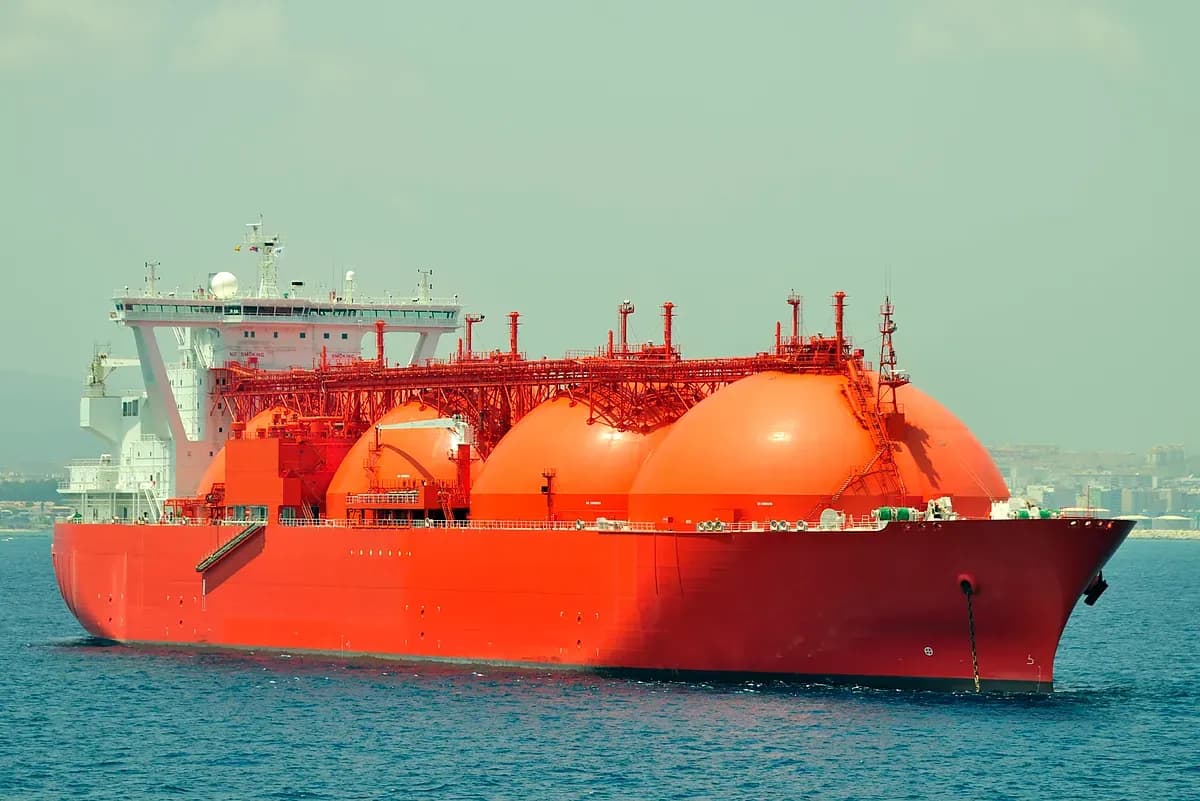
Gas reserves in Europe are currently at 73% of total capacity, significantly below the five-year average. Prices have surged to €80.4 per megawatt-hour, double the levels seen in June, raising concerns about energy security as winter approaches.
Current Gas Reserves and Prices
Europe's gas reserves stand at 73% of total capacity, which is 15 percentage points lower than the average over the past five years and the lowest level for this time of year since 2011. Prices have reached €80.4 per megawatt-hour, marking a 100% increase since June.
Since the onset of the war in Ukraine and the subsequent cut in Russian gas supplies, ensuring energy supply for the winter has become a top priority for European policymakers. The European Commission aimed for gas reserves to hit 90% by November 1, but this target seems increasingly out of reach due to supply challenges from the Strait of Hormuz, potentially exacerbating gas shortages.
Regional Disparities in Gas Reserves
While some countries like Poland (99.1% capacity) and Italy (88.3%) have relatively high reserves, others, including Germany and the Netherlands, are struggling with levels just above 50%. This uneven distribution raises concerns about energy security, as gas pipelines are not designed to redistribute supplies effectively across different regions. Consequently, despite the aggregate reserve percentage, significant supply issues could arise in parts of Eastern Europe.
European Commission's Response
In light of this situation, European Commissioner for Energy, Dan Jørgensen, has urged member states to reduce gas and electricity demand. In a letter sent to EU states, he emphasized the need for emergency measures reminiscent of those used during the 2022 energy crisis, such as limiting heating in public buildings and reducing peak electricity consumption. Although these are recommendations without set deadlines or quotas, experts suggest a 7% reduction in demand is necessary to navigate the winter safely.
Potential Impact on Economy and Prices
Experts warn that without significant adjustments in consumption, Europe could face three major issues: potential energy cuts for consumers, reduced industrial output affecting employment and exports, and continued pressure on gas prices. Such price increases could stifle competitiveness and further escalate costs for consumers, as evidenced by rising prices for non-energy industrial goods in Europe. This trend could prompt the European Central Bank to raise interest rates, potentially curbing investment and economic growth.
This article is for information only and is not investment advice.