
Euro Zone GDP Grows 0.4% in Q3 Amid France's Economic Contraction
Written with artificial intelligence.

The euro zone's economy expanded by 0.4% in the third quarter, lower than previous growth rates. However, France experienced a surprising contraction of 0.1%, facing high borrowing costs and social unrest.
Euro Zone Economic Growth
According to Eurostat, the euro zone's economy grew by 0.4% in the third quarter of 2026. This follows a stronger rebound of 0.6% in the second quarter, after a stagnant first quarter. Notably, this growth figure exceeded the 0.2% forecast from a recent Reuters poll of economists.
France's Economic Struggles
In contrast, France's economy contracted by 0.1% during the same period. The country is facing high borrowing costs, worsened by political challenges related to reducing its significant budget deficit and national debt. Additionally, recent nationwide protests over living costs have led to increased unrest, complicating the economic landscape.
Other Euro Zone Economies
Germany, the largest economy in the euro zone, reported minimal growth of 0.2%. Italy's economy remained flat, while Spain's economy grew by 0.6%, supported by strong domestic demand, a healthy tourism sector, and effective labor market productivity. Ireland, although experiencing high volatility due to multinational corporations, achieved a growth rate of 5.5%.
European Central Bank Outlook
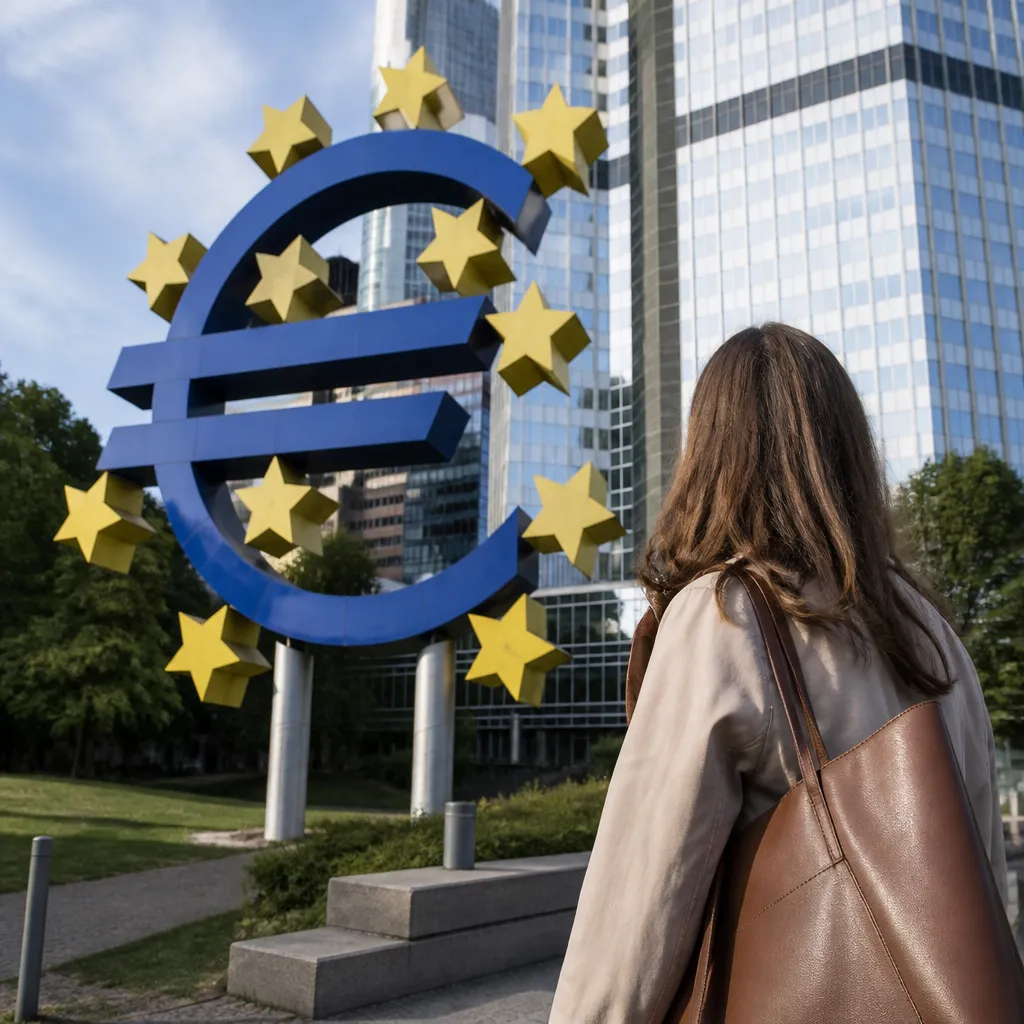
The European Central Bank (ECB) recently decided to maintain interest rates, indicating that the recent rise in energy prices has not yet had significant second-round effects on the broader economy. However, analysts speculate that the ECB might consider one more rate hike in December, given the persistent elevation in energy costs. Joe Nellis, head of economic research at MHA, emphasized that while the euro area shows unexpected resilience, it also faces structural issues such as weak productivity and declining industrial competitiveness, along with rising inflation risks stemming from geopolitical tensions, particularly in the Middle East.
This article is for information only and is not investment advice.