
EU Launches Search for New ECB Executive Following Schnabel's Departure
Written with artificial intelligence.
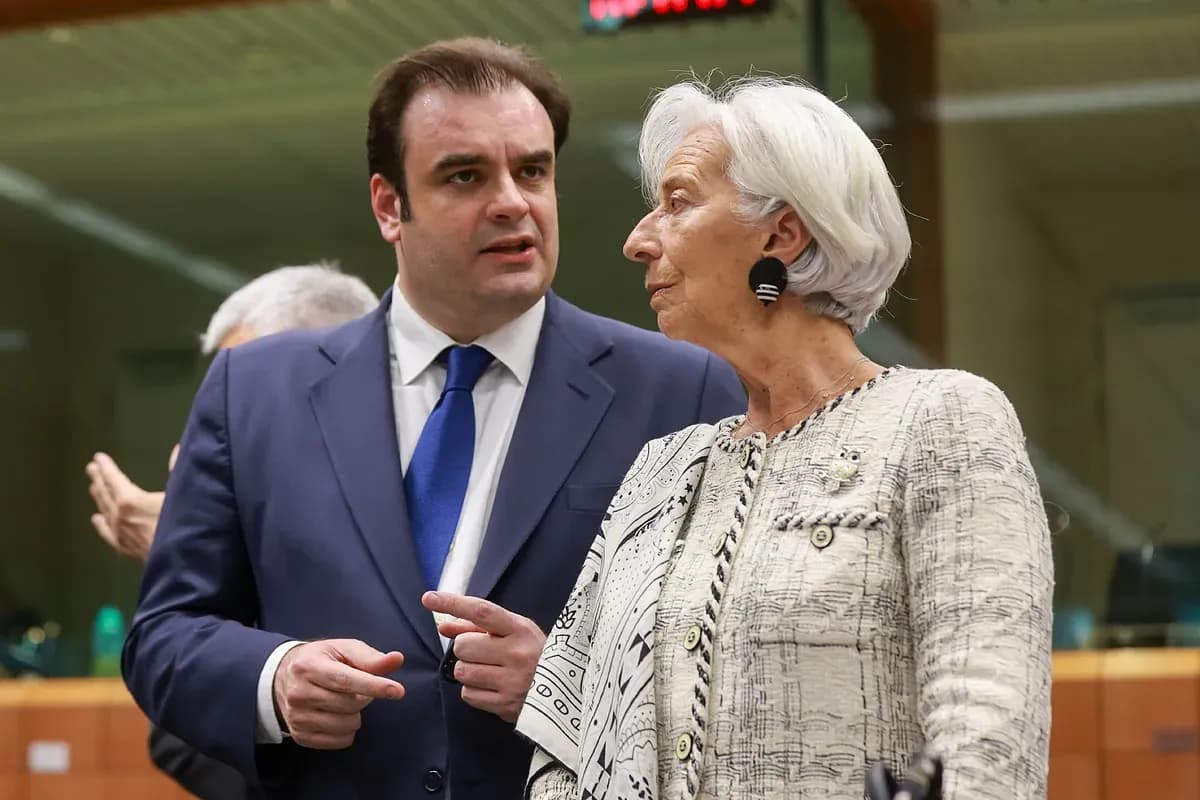
The Eurogroup will kick off the process to find a replacement for Isabel Schnabel, who will leave the European Central Bank in January 2026. Christine Lagarde, ECB President, has initiated this search in a letter to António Costa, the President of the European Council.
ECB Executive Transition
The Eurogroup is set to start the search for a new executive member of the European Central Bank (ECB) on Thursday, following Christine Lagarde's request to António Costa to find a replacement for Isabel Schnabel. Schnabel, who is responsible for market operations at the ECB, announced her early departure to join the International Monetary Fund (IMF).
This search is significant as it reflects the delicate balance of geographical, ideological, and technical considerations required in such appointments. Schnabel's exit opens the door to broader negotiations regarding other upcoming vacancies within the ECB, including Lagarde's presidency and the Chief Economist position currently held by Philip Lane.
The finance ministers of eurozone countries have acknowledged Lagarde's call to expedite this process. Eurogroup President Kyriakos Pierrakakis is expected to initiate negotiations ahead of the meeting on October 8 in Luxembourg. The current focus is solely on Schnabel's replacement, although discussions on other roles will likely occur concurrently due to their interconnected nature.
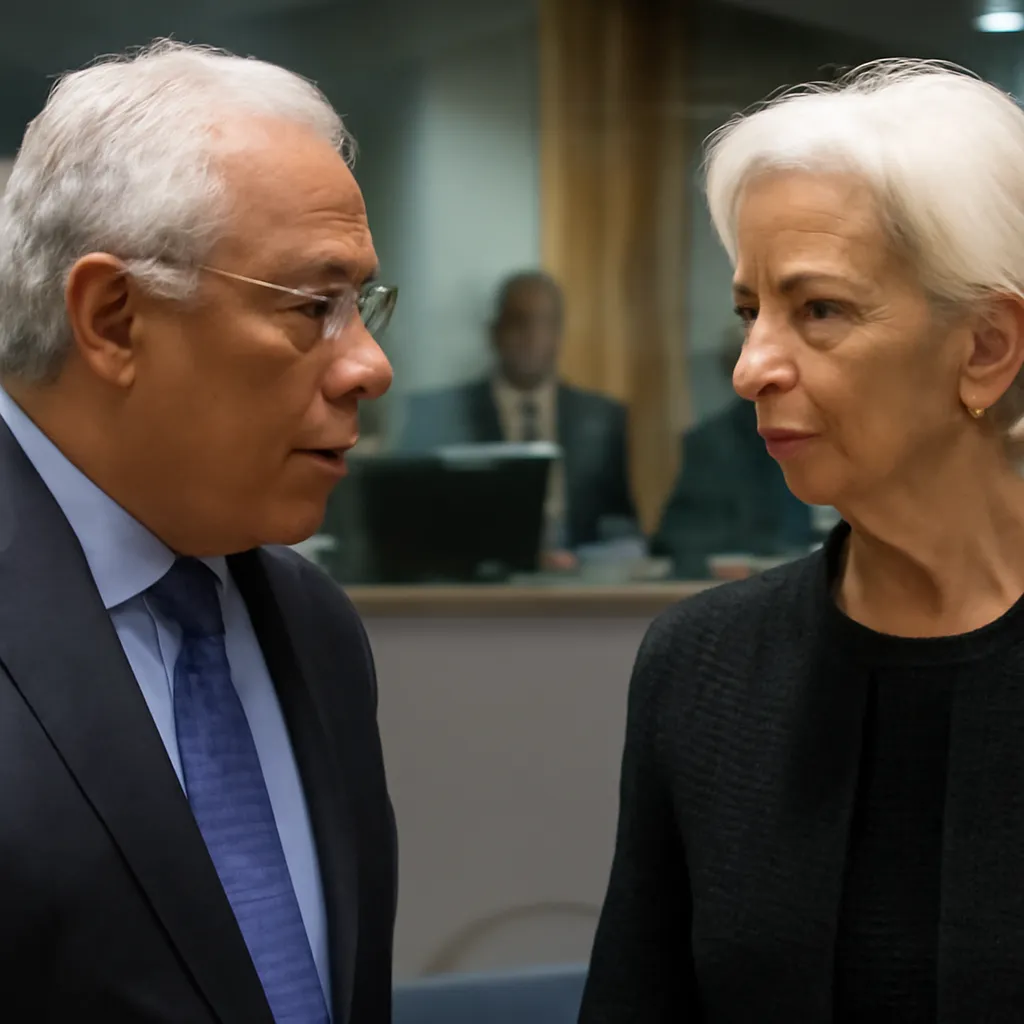
Competition for Key Positions
As the search progresses, four countries—Spain, France, Germany, and the Netherlands—are vying for representation in the ECB's Executive Committee. France and Germany are expected to compete for Schnabel's position, while Spain aims high for the presidency, proposing Pablo Hernández de Cos, a respected figure in international finance. The Netherlands counters this with Klaas Knot, a former central bank governor, also well-regarded internationally.
Discussions will not only center on Schnabel's replacement but will also include strategic negotiations on the other executive roles. This process typically involves bilateral meetings and informal talks among member states to bolster support for their candidates. The outcome of these negotiations will be critical as countries attempt to navigate the complex dynamics of this diplomatic challenge.
This article is for information only and is not investment advice.