
ECB Raises Interest Rates Amid Economic Uncertainty
Written with artificial intelligence.

In its September meeting, the European Central Bank (ECB) raised its key interest rates by 25 basis points, emphasizing a data-driven approach for future decisions. ECB President Christine Lagarde noted rising inflation risks and ongoing challenges related to geopolitical tensions and energy prices.
ECB's Interest Rate Decision
During its September meeting, the European Central Bank (ECB) decided to increase its key interest rates by 25 basis points. This unanimous decision is part of the bank's strategy to respond to evolving economic data without setting fixed targets in advance.
Economic Context
The ECB highlighted that while inflation risks are trending upwards, the risks associated with weaker growth are more pronounced. This situation is influenced by ongoing conflicts in the Middle East and between Russia and Ukraine. President Christine Lagarde adopted a firm stance, indicating that despite recent declines in inflation—particularly in food prices—there is a possibility that inflation could remain more persistent than expected.
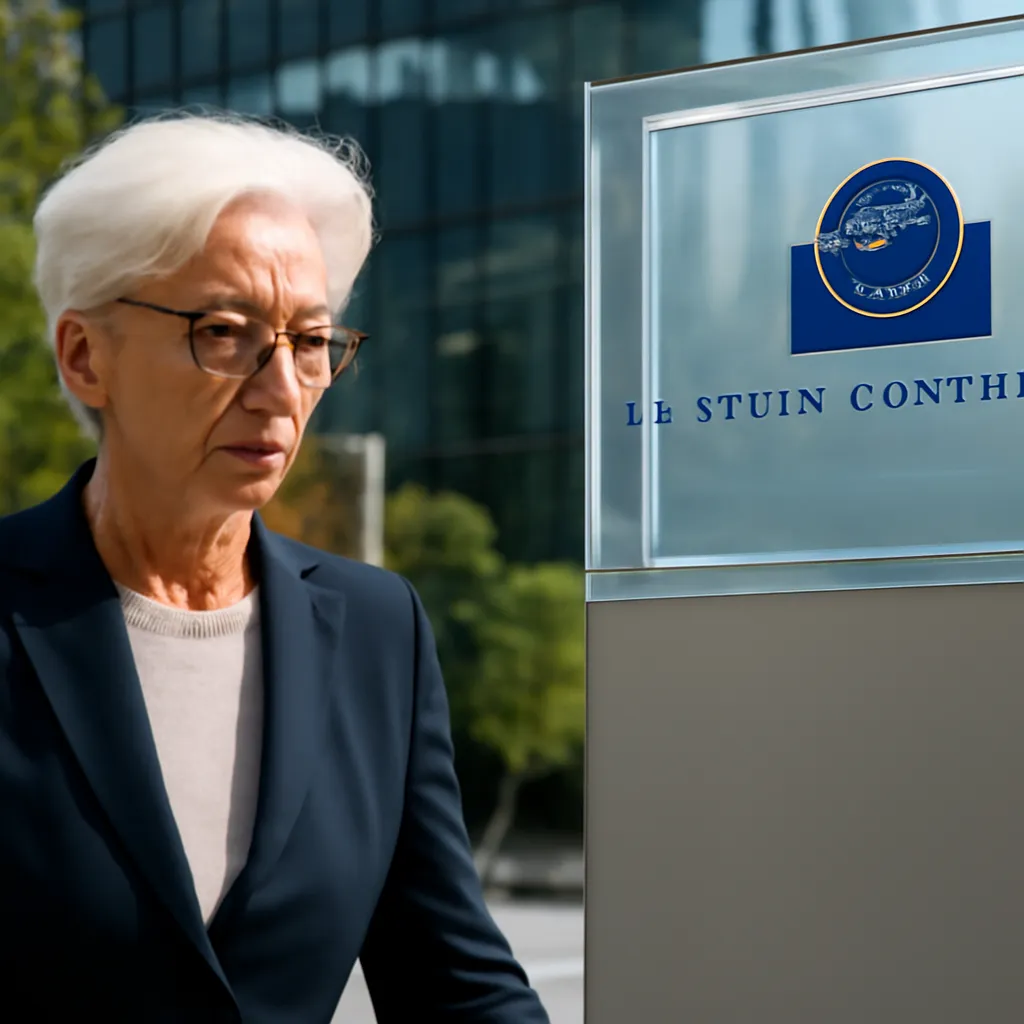
Lagarde also pointed out that indirect effects of price changes are currently low, and there has not yet been a significant secondary effect on inflation. However, she warned that a sustained increase in energy prices could pose additional risks, particularly affecting food prices. Given the ongoing tensions in the Middle East, rising risks in the Red Sea, and increasing oil and gas prices, managing inflation will remain a key priority for the ECB's monetary policy moving forward.
This article is for information only and is not investment advice.