
ECB May Need Further Rate Hikes Amid Inflation Risks, Says ECB Board Member
Written with artificial intelligence.

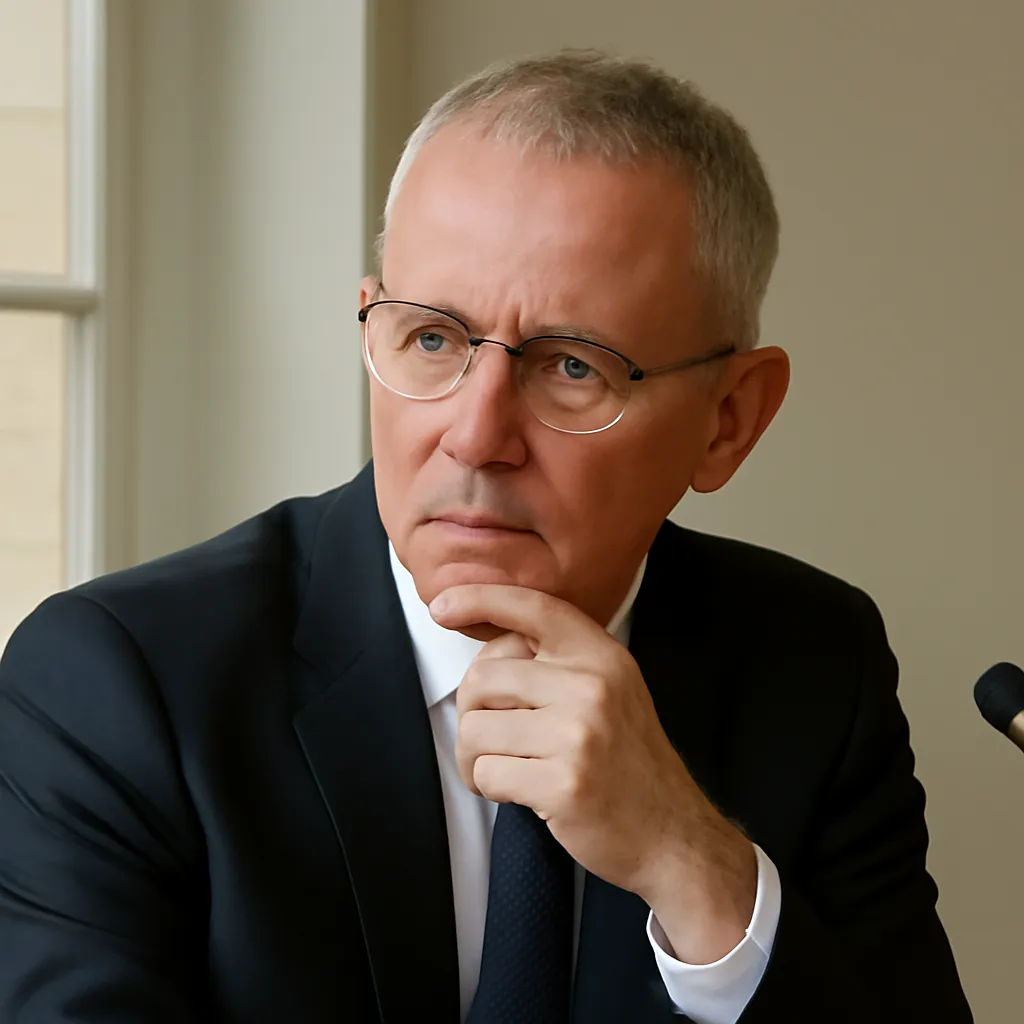
The European Central Bank (ECB) faces the possibility of additional interest rate increases due to persistent inflation risks, according to Primoz Dolenc, a member of the ECB's board. While recent inflation data showed limited pass-through effects from energy costs to other goods, uncertainties remain regarding future economic conditions.
Ongoing Concerns Over Inflation
Primoz Dolenc, the President of the Bank of Slovenia and a member of the European Central Bank (ECB) board, has indicated that the ECB may need to raise interest rates further due to significant risks of rising inflation. However, the timing and extent of such measures remain uncertain.
The ECB raised its deposit rate twice this year to 2.5%, as inflation soared to nearly double its target of 2% last month. Policymakers are closely examining data to assess how much additional tightening is necessary to prevent a prolonged increase in energy costs, which could be exacerbated by geopolitical tensions, such as conflicts in the Middle East and Ukraine.
Inflation Data and Economic Resilience
Despite last month's inflation rate of 3.8% exceeding expectations, Dolenc noted that this spike was largely driven by volatile energy prices. He emphasized that core inflation remained relatively stable, indicating limited spillover effects to other inflation components, particularly in services. This stability suggests that broader inflationary pressures are still contained.
However, Dolenc warned of potential upward risks in prices. He highlighted concerns over low natural gas inventories ahead of winter, suggesting any increases in wholesale gas prices could quickly impact retail costs. Additionally, food prices might rise due to high input costs, drought conditions, and the El Niño phenomenon.
Economic Growth Outlook
Interestingly, the eurozone's economy has shown unexpected resilience, growing at its fastest pace in four years during the second quarter. While rising energy prices were anticipated to dampen this growth, strong consumer spending and service expenditures signal a robust economic outlook. Dolenc suggested that this trend may continue, supported by positive survey indicators.
This article is for information only and is not investment advice.