
China's Real Estate Sector Faces Renewed Credit Risks Amid Insolvencies
Written with artificial intelligence.
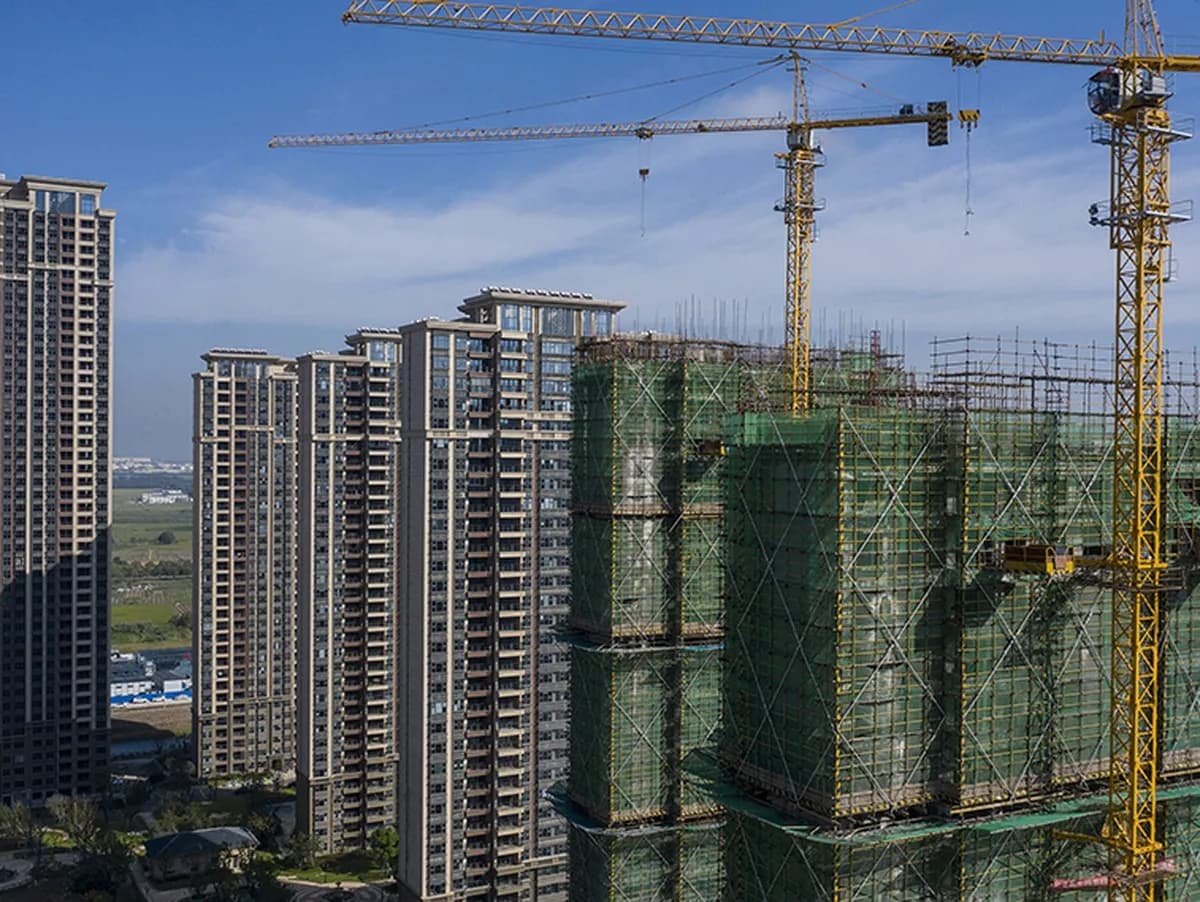
Concerns about credit are resurfacing in China's real estate market, primarily due to a significant backlog of unsold properties. The Zhuhai Huafa Group, a heavily indebted state-owned developer, is currently struggling with liquidity issues and has recently requested loan extensions from banks.
Renewed Credit Concerns
The Chinese real estate sector is once again grappling with credit risks, highlighted by the ongoing crisis at the Zhuhai Huafa Group. This state-owned developer, which operates in infrastructure and residential projects across China, has recently halted payments on investment products and sought extensions on loan repayments due to financial distress.
Despite securing some funding to avoid default for now, uncertainty looms over Huafa's ability to meet its financial obligations. Last week, Fitch Ratings downgraded the company's long-term debt rating to BB+, marking it as speculative due to worsening financial conditions and increased refinancing risks. In the first half of 2026, Huafa reported a revenue drop of approximately 30% year-on-year, totaling 67.4 billion yuan (about $10.1 billion), and a net loss of 3.4 billion yuan, reversing profits from the previous year.
Market Conditions and Government Support
The company's financial struggles are exacerbated by a substantial inventory of around 70 billion yuan in unsold properties and 120 billion yuan in land and ongoing projects. The ongoing slowdown in China's property market has left many developers, including Huafa, with excess inventories and stalled projects, hindering their ability to raise capital.
Local authorities are actively working to stabilize the situation. Zou Hui, director of the Zhuhai State-owned Assets Supervision and Administration Commission, announced that over 40 billion yuan has been allocated to support Huafa, with plans to mobilize an additional 70 billion yuan in resources. However, S&P Global Ratings cautioned that reliance solely on municipal budget support poses significant challenges.
Broader Industry Challenges
Huafa is not alone in facing these challenges. Recently, the High Court in Hong Kong issued a liquidation order against a subsidiary of Zhenro Properties Group after it failed to meet its obligations. Similar insolvencies have affected Shimao Group and others despite previous debt restructurings.
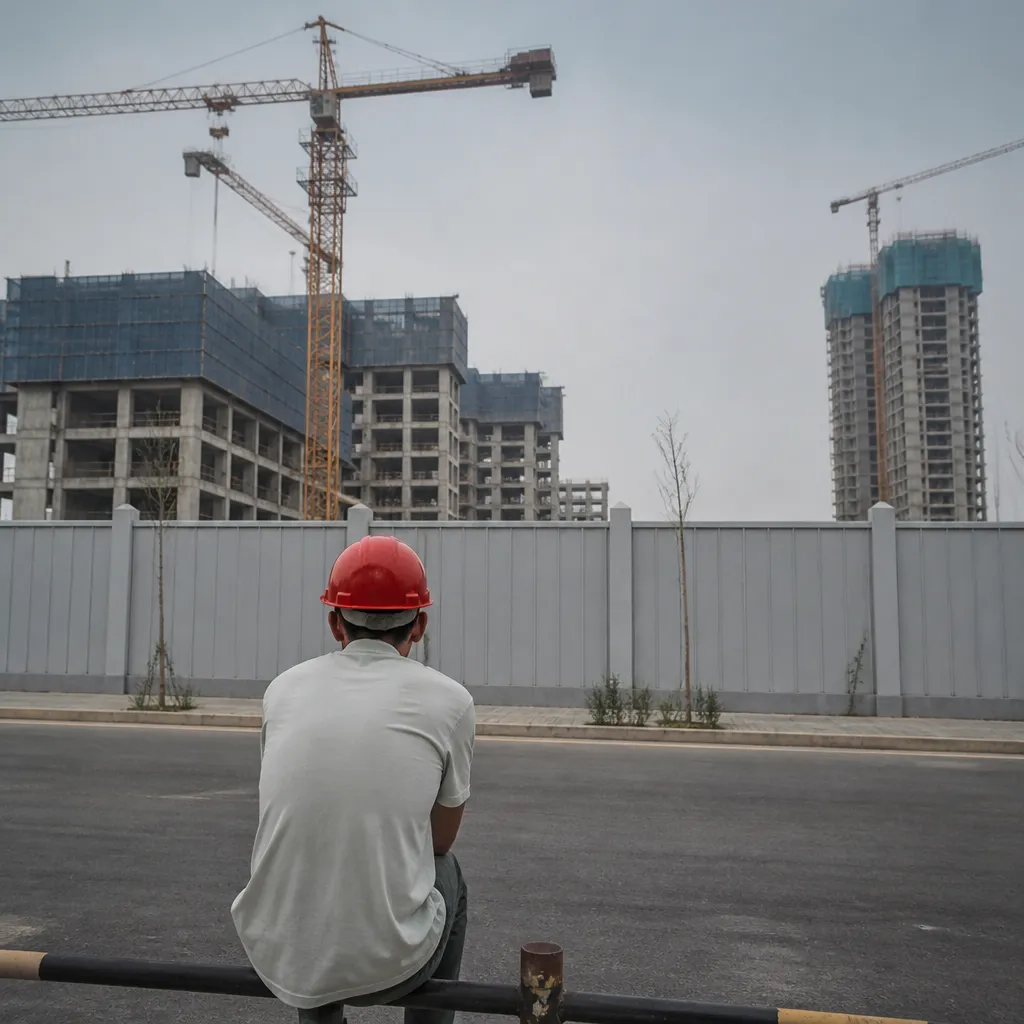
Government data released Monday revealed that new home prices have declined in at least half of the top 70 cities for the 41st consecutive month. According to Mizuho Research Institute, property prices in lower-tier cities have dropped nearly 20% since July 2021, significantly more than in major cities like Beijing and Shanghai. The oversupply of properties, a result of excessive development, continues to pressure the market, with estimates suggesting it may take five to ten years to absorb the existing inventory.
The sale of properties at reduced prices further undermines market stability, making it increasingly difficult for developers to secure funding. Without government assistance, maintaining the viability of these companies may prove challenging, potentially leading to greater financial burdens for local authorities in the future.
This article is for information only and is not investment advice.