
Bank of Japan's Governor Discusses Economic Outlook Amid AI Demand and Rising Semiconductor Prices
Written with artificial intelligence.
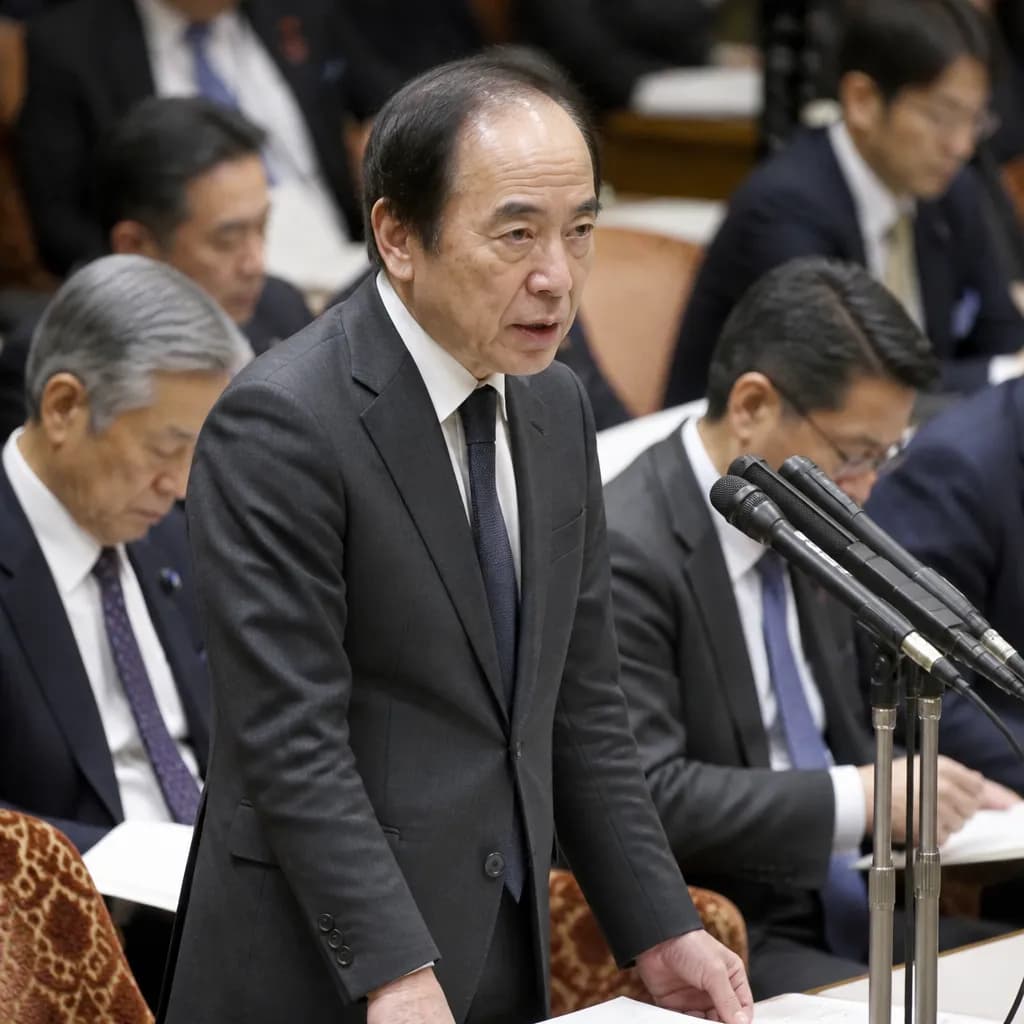
Kazuo Ueda, the Governor of the Bank of Japan, highlighted the dual impact of global AI demand on Japan's exports and domestic price inflation during a recent parliamentary meeting. He indicated that while AI demand supports exports, rising semiconductor prices could elevate consumer prices beyond the 2% target.
Overview of Economic Conditions
During a session of the House of Councillors' Finance and Monetary Affairs Committee on November 19, 2026, Kazuo Ueda, the Governor of the Bank of Japan, provided insights into the current economic landscape. Ueda noted that increasing global demand for AI technology is bolstering Japanese exports. However, he cautioned that rising semiconductor prices could exert upward pressure on domestic inflation.
Inflation Predictions
Excluding fresh food, consumer prices are projected to rise significantly, potentially exceeding a year-on-year increase of 2%. Ueda reiterated the Bank’s commitment to adjust interest rates in response to economic conditions. Despite some signs of weakness influenced by geopolitical tensions in the Middle East, he described the Japanese economy as gradually recovering, with steady increases in exports and corporate profitability.
Factors Influencing Prices
Ueda pointed out that factors such as rising crude oil prices, the effects of a weaker yen, and increasing semiconductor prices are contributing to inflationary pressures. While the government’s energy relief measures are somewhat mitigating these effects, the overall trend indicates that inflation could surpass 2% in the near future.
Future Policy Adjustments
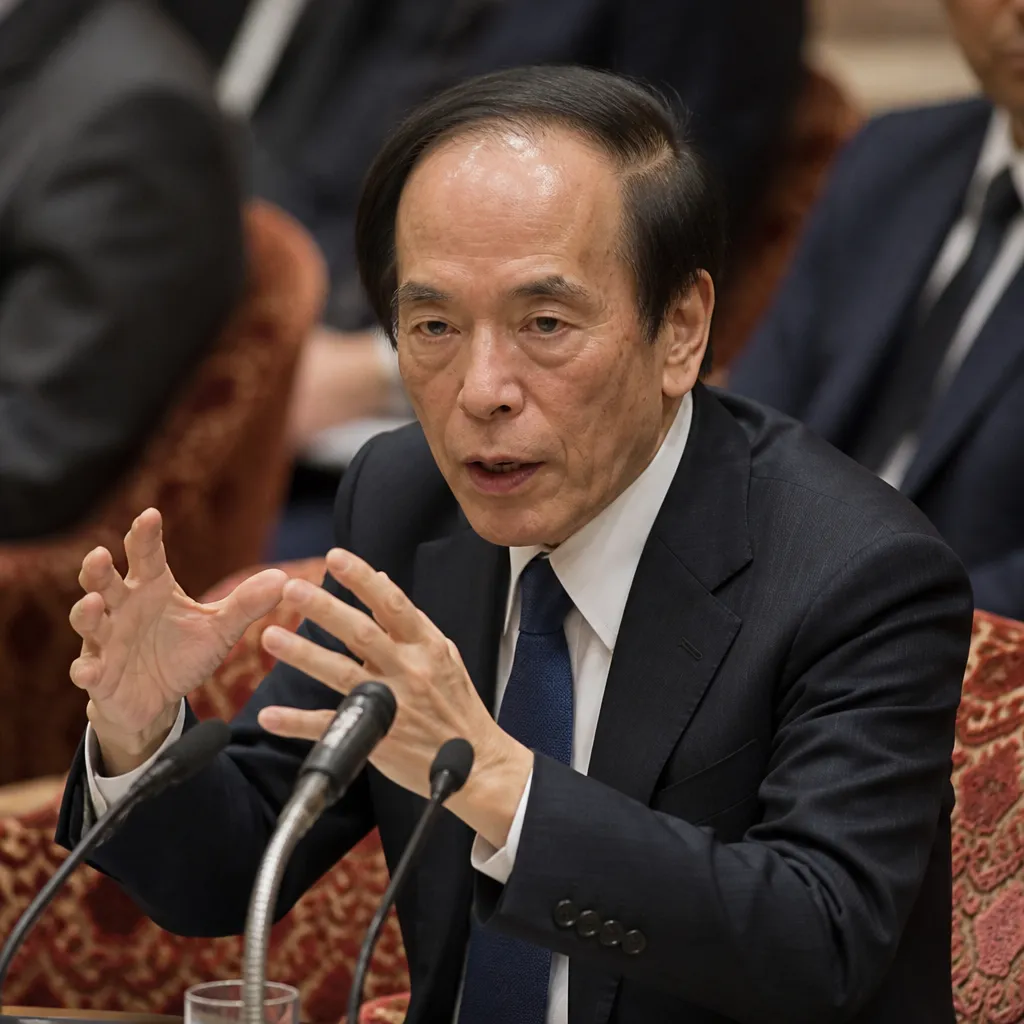
The Bank of Japan plans to maintain its financial market adjustment policy, keeping the uncollateralized call rate around 1.25%. Ueda emphasized the importance of monitoring various economic indicators, including AI demand and currency fluctuations, to determine the timing and pace of future interest rate hikes. Although market speculation suggests a possible rate increase in December, uncertainties surrounding international events could influence these decisions.
Ueda also remarked on the potential impacts of a consumption tax reduction, stating that while it may temporarily enhance purchasing power, the long-term effects on inflation remain uncertain. He underlined the importance of maintaining a stable inflation rate around the 2% target to prevent economic damage from rising prices.
This article is for information only and is not investment advice.