
Bank of Japan Reports Increased Demand-Supply Gap for April-June 2026
Written with artificial intelligence.
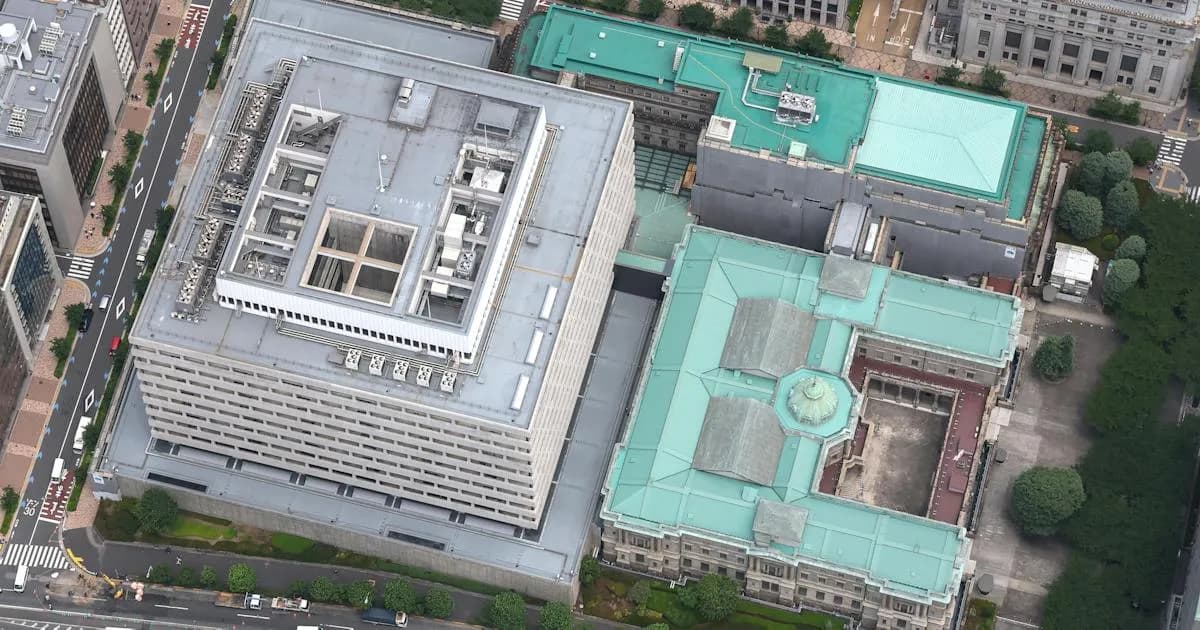
The Bank of Japan has announced that the demand-supply gap for the April to June 2026 period is estimated at +0.55%, an increase from +0.36% in the previous quarter. This marks the eighth consecutive quarter of positive growth, which typically indicates rising prices due to excess demand.
Demand-Supply Gap Overview
On May 5, the Bank of Japan (BoJ) revealed its estimation of the demand-supply gap for the April to June 2026 period, which stands at +0.55%. This figure reflects a widening from the previous quarter's gap of +0.36%. A positive gap indicates that demand exceeds supply, increasing the likelihood of rising prices.
Key Metrics
The BoJ publishes its demand-supply gap report quarterly, based on factors such as production capacity utilization. A positive gap suggests that prices tend to rise, while a negative gap typically leads to lower prices.
Capital Input Gap
The capital input gap for the same period is projected at +0.33%, up from +0.16% in the prior quarter. According to Koya Miyamae, a senior economist at SMBC Nikko Securities, the growth in demand for artificial intelligence (AI) is boosting production activities, especially in semiconductor manufacturing equipment.
Labor Input Gap
Additionally, the labor input gap is estimated at +0.22%, an increase from +0.20% in the earlier quarter. This measure reflects changes in labor hours and workforce numbers.
Alternative Estimates
The Cabinet Office also provides estimates for the demand-supply gap, reporting a figure of +0.7% for the same period, based on revised domestic GDP data.
This article is for information only and is not investment advice.