
Bank of England's Chief Economist Signals Possible Interest Rate Hikes
Written with artificial intelligence.
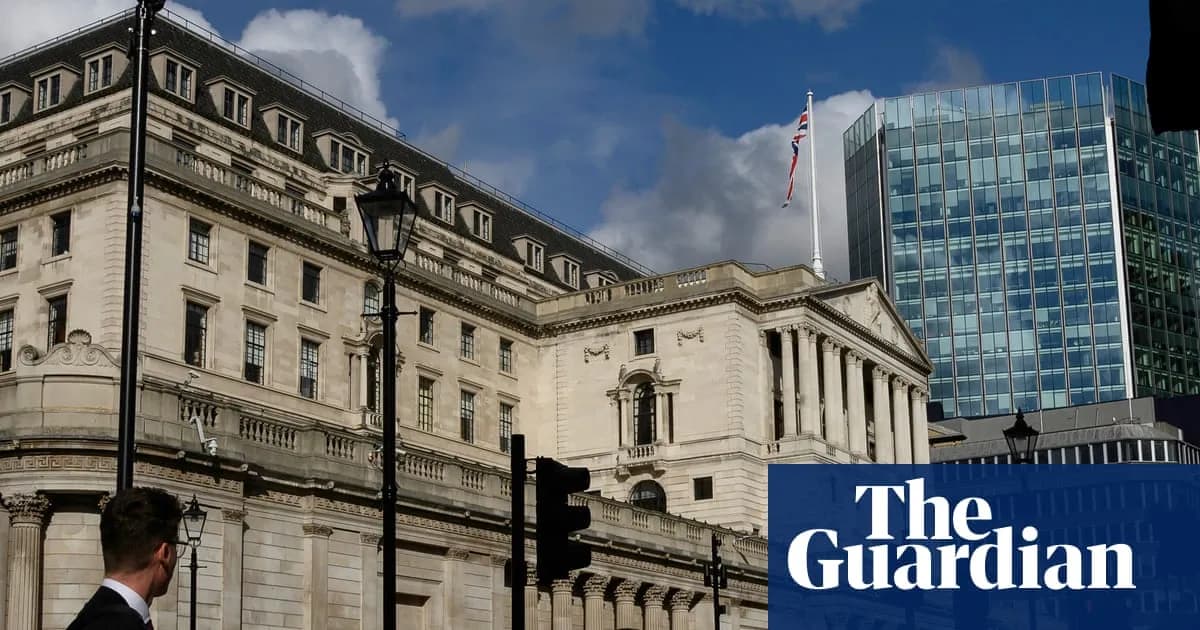
Huw Pill, the chief economist at the Bank of England, indicates that interest rates may rise again as early as next month and in early 2027 to address rising inflation. This potential increase could significantly affect mortgage payments for approximately 2.3 million homeowners due to their need to refinance loans next year.
Potential Interest Rate Increases
Huw Pill, the chief economist at the Bank of England, has suggested that further interest rate hikes are likely, potentially starting next month and continuing into early 2027. This comes after the recent increase from 3.75% to 4% earlier this month, which Pill described as a "significant step" in adjusting monetary policy to manage inflation.
Impact on Homeowners
The anticipated rise in interest rates could lead to higher mortgage payments for an estimated 2.3 million homeowners who will need to refinance their loans next year. Pill emphasized the necessity of these actions to bring inflation back down to the target rate of 2%.
Economic Strength and Inflation Outlook
Pill noted that the UK economy has shown signs of strength over the past year, which has empowered workers to negotiate higher wages. Recent data indicated a 0.7% growth in the economy for the third quarter, making the UK's growth rate the second highest among G7 countries. However, inflation is projected to rise to 5% by spring 2024, influenced by high oil and gas prices, particularly due to the ongoing conflict in Iran.

Concerns Over Wage Growth and Spending
While no significant wage increases have yet been observed, Pill warned that this could change as the year progresses. He expressed concern that the inflationary effects could be exacerbated by increased wage demands. As households prepare for higher energy costs and increased council tax bills in the new year, a reduction in consumer spending is anticipated, potentially impacting sectors like manufacturing and construction, which have faced contraction this year.
This article is for information only and is not investment advice.