
Bank of England Raises Interest Rates to 4% Amid Inflation Concerns
Written with artificial intelligence.
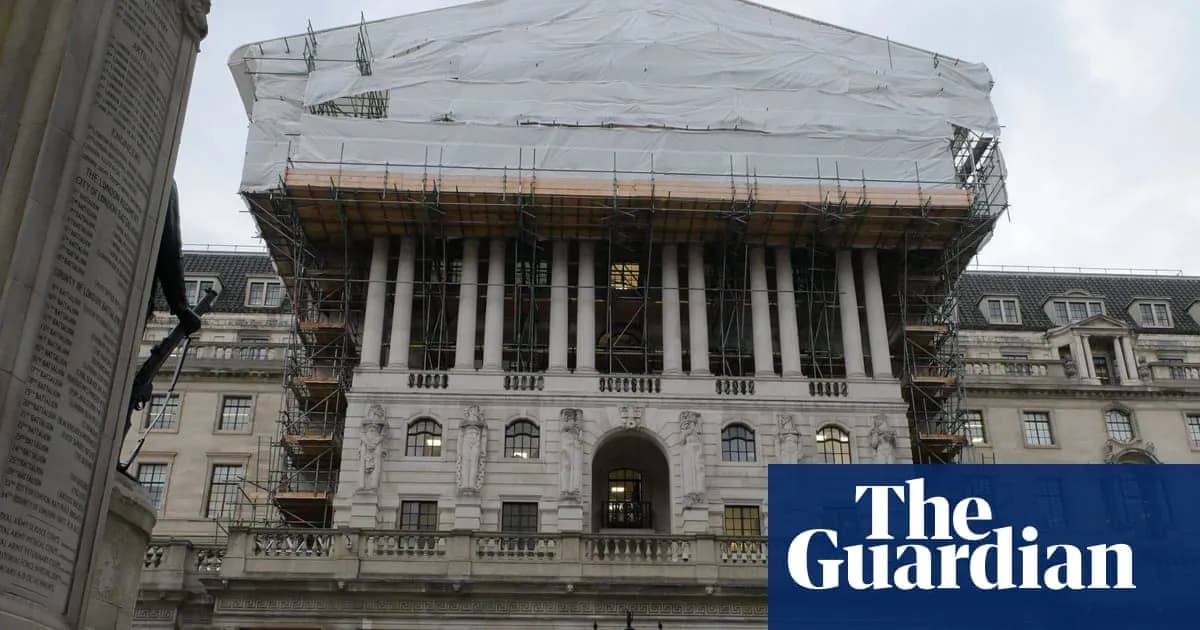
The Bank of England has increased the base interest rate from 3.75% to 4%, the first rise in over three years, to address rising inflation driven by the ongoing conflict in the Middle East. The bank's governor indicated that further increases may be necessary if inflationary pressures persist.
Interest Rate Increase
The Bank of England has raised its base interest rate from 3.75% to 4%, marking its first increase in more than three years. This decision, supported by eight members of the monetary policy committee (MPC), aims to tackle inflation that has been exacerbated by the ongoing conflict in Iran. Catherine Mann, the ninth committee member, advocated for a larger half-point increase.
Rising Inflation Expectations
The conflict has significantly impacted oil prices, keeping them above $100 a barrel. Consequently, the Bank now forecasts that UK inflation will rise to 4.9% by mid-next year, a marked increase from its previous estimate of 3.2%. As of September, inflation was recorded at 3.5% according to the consumer prices index.
Future Rate Considerations
Andrew Bailey, the Bank's governor, mentioned that another rate increase could occur soon, especially if inflation continues to be influenced by geopolitical factors. The next interest rate decision is scheduled for December 17, with some analysts predicting a potential hike before Christmas.
Economic Impact on Households
This rate increase is expected to affect mortgage borrowers and comes as the government implements measures to alleviate the financial burden on families, including a £100 energy payment for 20 million households. The MPC has acknowledged that rising energy costs will contribute to inflation, warning that food price inflation could reach 4.75% by mid-2027. Meanwhile, businesses are beginning to feel pressure to pass on these rising costs to consumers.
This article is for information only and is not investment advice.