
Bank of England Raises Interest Rates for First Time in Three Years to 4%
Written with artificial intelligence.
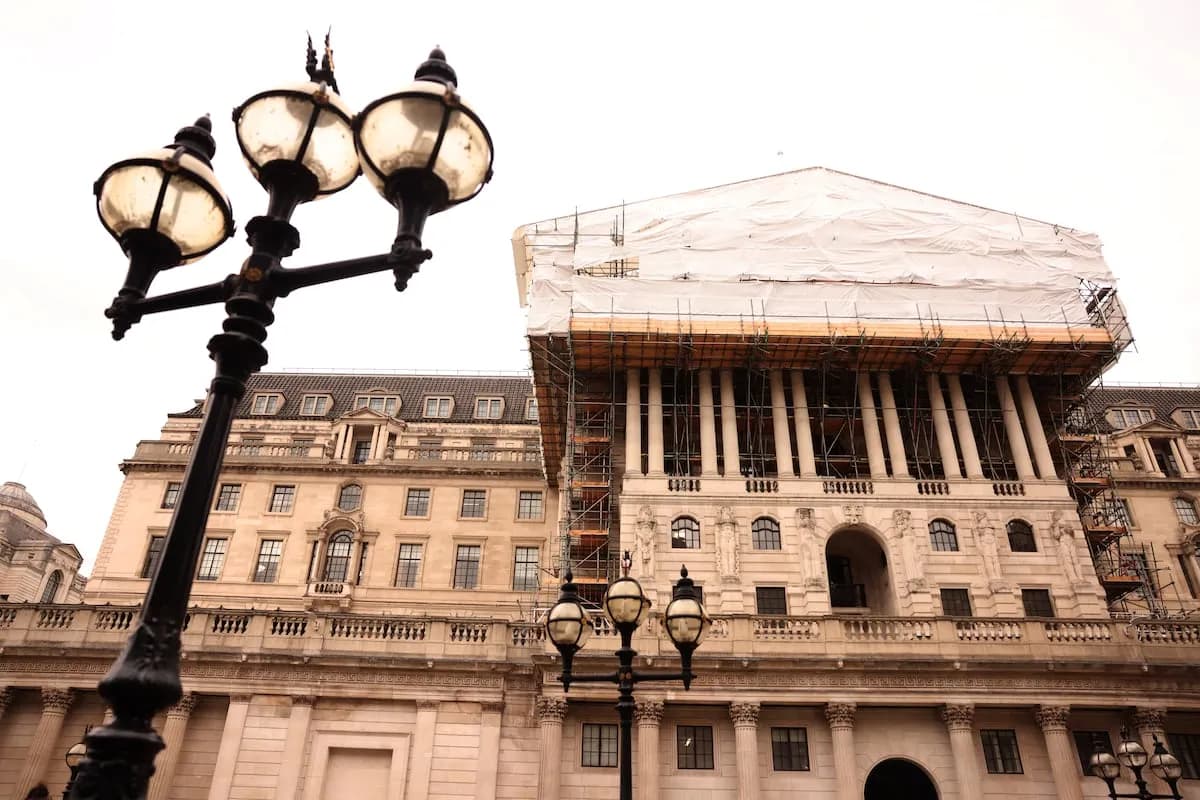
The Bank of England has increased its base interest rate from 3.75% to 4%, marking its first hike in over three years. This decision comes amid rising inflation pressures linked to increased fuel costs due to the ongoing conflict in the Middle East.
Key Interest Rate Increase
The Bank of England (BoE) has confirmed market expectations by raising its base interest rate from 3.75% to 4%. This marks the first increase since the bank maintained stable interest rates for over three years. The decision was influenced by inflation pressures stemming from high fuel costs linked to the prolonged conflict in Iran and supply disruptions in the Strait of Hormuz.
Inflation Forecasts
As of September, the Consumer Price Index (CPI) stood at 3.5%. Analysts predict further inflation increases, forecasting a rise to 3.8% according to the Office for Budget Responsibility, while a survey by the Financial Times indicates a potential jump to 4.4%. The BoE’s report suggests inflation may reach 5% by mid-2024.
Comments from BoE Governor
Andrew Bailey, the Governor of the Bank of England, stated that the current increase should not be viewed as the beginning of a series of hikes. He noted that while further increases are not guaranteed, the ongoing geopolitical issues could necessitate additional adjustments.
Impact on the Pound
The British pound has strengthened against the euro, reaching its highest level since the Brexit referendum in 2016. This increase in interest rates makes UK government bonds more attractive to international investors, contributing to the currency's rise. Additionally, wage growth in the UK and upcoming increases in the minimum wage from April 2027 are contributing to inflationary pressures.
This article is for information only and is not investment advice.